
10 Designer-Approved Colors That Match Gray in 2026
- oliverjames0609
- 5 hours ago
- 19 min read
Gray is the ultimate chameleon of interior design, a sophisticated and versatile neutral that can feel warm, cool, dramatic, or serene. But its true potential is only unlocked when paired with the right companion color. The challenge? Gray has subtle undertones, such as blue, green, or even violet, that can clash with other colors if not chosen carefully. This guide eliminates the guesswork. We are diving deep into 10 designer-approved colors that match gray, complete with specific paint color examples, room-by-room application strategies, and actionable tips for balancing undertones.
Whether you are aiming for a minimalist Scandinavian look, a luxurious jewel-toned retreat, or a warm and earthy vibe, you will find the perfect palette here. We will explore how to identify your gray's undertone and select a color that complements it, ensuring a cohesive and professional finish. For homeowners, selecting the right palette extends beyond just the walls; a crucial aspect of interior design is selecting furniture colors to complete the look. You can discover more about how to choose a sofa color to ensure every element in your room works together harmoniously.
This comprehensive roundup is designed to give you actionable insights for any project. For those wanting to visualize these combinations instantly in their own space, we'll also show how a tool like Decor8 AI can bring these concepts to life in seconds. This allows you to test paint colors from major brands like Benjamin Moore and Sherwin-Williams before you even pick up a brush, taking the uncertainty out of your design process.
1. Gray + White
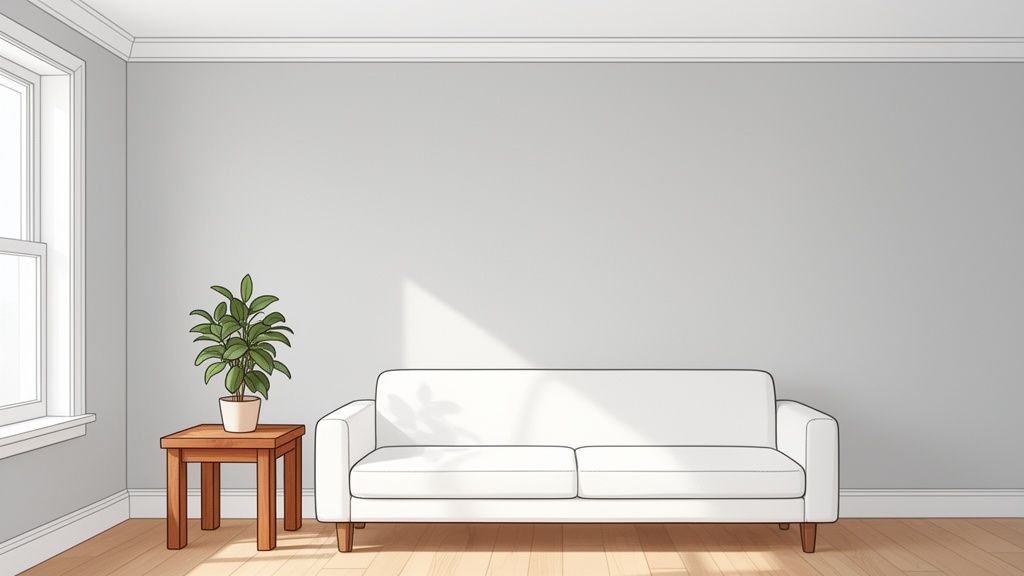
The combination of gray and white is a foundational and timeless pairing in interior design. It creates a clean, crisp, and sophisticated atmosphere that maximizes visual clarity and makes spaces feel larger. This duo works because white acts as a perfect counterpart to gray’s inherent neutrality; it brightens cooler grays and enhances the depth of warmer tones, resulting in an aesthetic that is both calming and effortlessly modern.
This pairing is one of the most versatile colors that match gray, serving as a blank canvas for any style, from Scandinavian minimalism to industrial chic. The contrast between the two neutrals establishes a sense of structure and balance without overwhelming the senses. It’s a go-to choice for creating serene, uncluttered environments that feel both high-end and inviting.
Why It Works
Gray and white succeed by offering a high-contrast yet harmonious look. White reflects light, making gray walls feel less imposing and more airy. This pairing is popular in high-end real estate listings and contemporary hotel lobbies precisely because it communicates a sense of clean, architectural precision. For example, light gray walls paired with crisp white trim and cabinetry create a look that is both sophisticated and universally appealing.
Key Insight: To prevent a gray and white space from feeling sterile, focus on texture. Incorporate elements like a white boucle sofa, a plush gray rug, or white linen curtains to add warmth and tactile interest.
Actionable Tips for Implementation
Balance the Tones: For a softer look, pair cool-toned grays (like charcoal with blue undertones) with warm whites (like Benjamin Moore's OC-17 Cloud White). This prevents the room from feeling too cold or clinical.
Apply the 70/30 Rule: A common design principle is to use gray as the dominant color (around 70%) for walls or large furniture pieces and white as the accent (30%) for trim, ceilings, and decor. This ratio ensures a well-grounded and balanced space.
Layer with Natural Materials: Introduce wood accents, such as a light oak coffee table or warm-toned flooring, to add organic warmth. Greenery and natural textiles also help break up the monochrome palette and bring life into the room.
2. Gray + Navy Blue
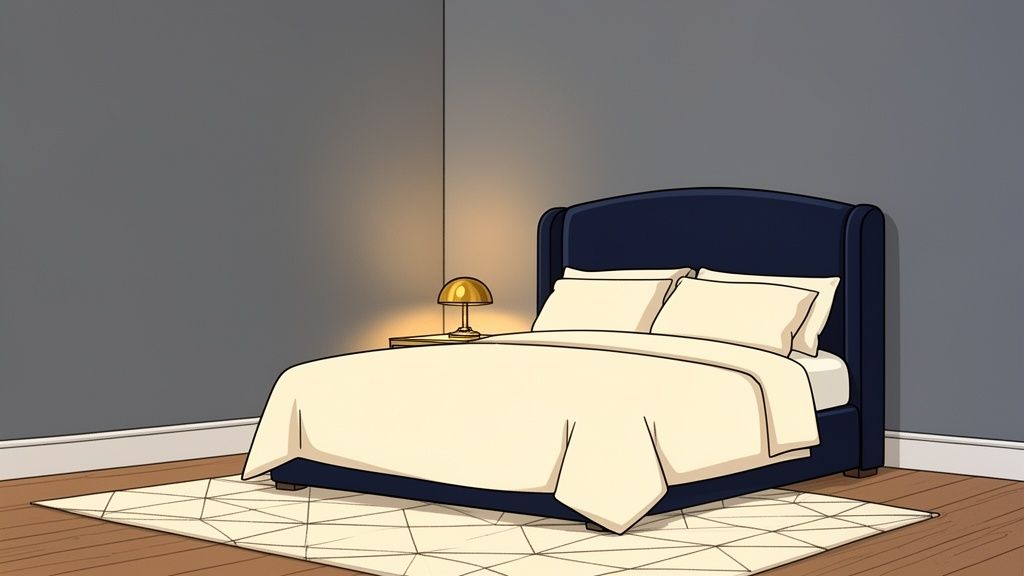
The combination of gray and navy blue creates a sophisticated and grounding atmosphere that feels both timeless and commanding. This classic pairing balances gray's versatile neutrality with navy's deep, rich character. Navy adds a layer of depth and formality that elevates any space, while gray softens its intensity, preventing it from feeling overpowering. The result is a palette that is elegant, professional, and established.
This duo is one of the most popular colors that match gray for creating spaces with a sense of purpose and calm authority, such as master bedrooms, home offices, and formal living areas. It draws inspiration from high-end nautical and menswear aesthetics, popularized by brands like Ralph Lauren Home. The cool-toned harmony between gray and navy establishes a look that is cohesive, modern, and undeniably luxurious.
Why It Works
Gray and navy blue succeed by offering a low-contrast, tonal harmony that is easy on the eyes yet visually impactful. The depth of navy anchors the room, while a softer gray provides a neutral backdrop that keeps the space from feeling too dark. For example, a charcoal gray wall paired with a navy velvet headboard creates a dramatic focal point that exudes confidence. This combination is frequently used in high-end hotel chains and executive offices to convey a sense of quiet luxury and stability.
Key Insight: To elevate a gray and navy scheme, introduce metallic accents. Brass, gold, or polished chrome hardware and lighting fixtures cut through the cool tones, adding a touch of warmth and glamour.
Actionable Tips for Implementation
Balance with Warmth: Since both colors are cool-toned, introduce warm elements to prevent the room from feeling sterile. Use warm lighting (around 3000K) and incorporate natural wood finishes or leather accents.
Apply the 60/40 Rule: For a bold yet balanced look, use gray as the primary color (60%) on walls and floors, and dedicate navy to larger statement pieces like a sofa, accent wall, or cabinetry (40%).
Layer with Light Neutrals: Break up the deep tones with pops of white, cream, or light beige in textiles like curtains, throw pillows, and area rugs. This adds contrast and enhances the room's brightness. You can explore more ways to use this dynamic duo by checking out these timeless blue dining room ideas on decor8.ai.
3. Gray + Warm Beige / Taupe
The combination of gray with warm beige or taupe creates a sophisticated, grounded, and inviting aesthetic often referred to as "greige." This pairing masterfully balances cool and warm undertones, resulting in a space that feels both contemporary and timelessly comfortable. Warm beige softens the potential coolness of gray, adding a layer of organic warmth without sacrificing elegance.
This duo is one of the most marketable colors that match gray, favored by high-end real estate stagers and brands like Williams Sonoma Home. It creates a neutral foundation that feels rich, layered, and universally appealing. The blend is perfect for transitional, modern farmhouse, or minimalist warm interiors where comfort is as important as style.
Why It Works
Gray and warm beige work together by creating a low-contrast, harmonious palette that is incredibly soothing to the eye. Unlike high-contrast pairs, this combination relies on subtle tonal differences to build depth. For example, a charcoal gray sofa placed against a warm taupe wall creates a look that is cohesive and enveloping. This palette is incredibly effective in luxury spa-like bathrooms, where gray stone tiles paired with beige walls evoke a serene, natural atmosphere. Learn more about using warm, earthy tones in bathroom design.
Key Insight: The success of this pairing hinges on undertones. Select a beige or taupe with distinct warm, yellow, or pink undertones to effectively counteract the cool blue or green undertones in your chosen gray.
Actionable Tips for Implementation
Layer Multiple Tones: To prevent the palette from feeling flat, use various shades of both colors. For example, pair dark gray furniture with light taupe walls and add medium-beige cushions and throws.
Introduce Natural Textures: This combination thrives with natural materials. Incorporate linen curtains, jute rugs, light wood furniture, and woven baskets to enhance the warm, organic feel and add tactile interest.
Use Warm Metallics: Accent the space with warm metallic finishes like brushed brass, copper, or bronze. These add a touch of glamour and reinforce the warmth of the beige and taupe tones.
Define with a Dark Accent: Ground the soft, neutral scheme with a touch of black or dark espresso. Use it for picture frames, a light fixture, or the legs of a coffee table to add structure and definition.
4. Gray + Charcoal / Black (Monochrome & High Contrast)
The pairing of gray with charcoal or black creates a sophisticated, high-impact aesthetic rooted in monochromatic depth. This combination moves beyond simple neutrality, introducing drama and structure through tonal layering. Light and mid-tone grays serve as a soft, expansive base, while charcoal and black accents provide grounding, definition, and a powerful visual punch. This creates a look that is bold, contemporary, and intentionally curated.
This high-contrast approach is one of the most effective colors that match gray for defining architectural features and creating a strong sense of hierarchy in a room. From a charcoal accent wall in a light gray living room to black cabinetry in a gray kitchen, the combination exudes confidence and modern elegance. It is particularly favored in minimalist, industrial, and high-end commercial designs where clean lines and impactful statements are paramount.
Why It Works
The success of a gray and black monochrome palette lies in its ability to manipulate depth and focus. Black absorbs light, making it recede visually, while lighter grays advance. This interplay carves out distinct zones and highlights architectural details like trim, window frames, or ceiling beams. For instance, a room with light gray walls and black trim feels instantly more structured and sophisticated, as the black lines create a crisp, graphic frame around the space. This technique is often used in luxury retail and modern lofts to feel both expansive and intimate.
Key Insight: The key to a successful gray and black scheme is managing contrast with lighting and texture. Abundant warm lighting (around 3000K) is essential to prevent the space from feeling cold or oppressive, while reflective surfaces like mirrors and glass bounce light and add dimension.
Actionable Tips for Implementation
Follow the 70/30 Principle: Use light or mid-tone gray as the dominant color (70%) for walls and large furnishings. Reserve charcoal or black for the accent (30%) on features like an accent wall, kitchen island, interior doors, or trim to create focal points without overwhelming the room.
Add White for Crispness: Incorporate crisp white accents through trim, ceilings, or decor to lift the palette. This "triadic" monochrome approach (white, gray, black) adds brightness and prevents the darker tones from feeling too heavy. A great example of this classic trio can be found in a timeless black and white shower design.
Layer Textures: Introduce a variety of textures to add warmth and prevent flatness. Combine a matte black accent wall with a gray tweed sofa, a polished chrome lamp, and a soft, light gray area rug to create a rich, tactile environment.
5. Gray + Emerald Green
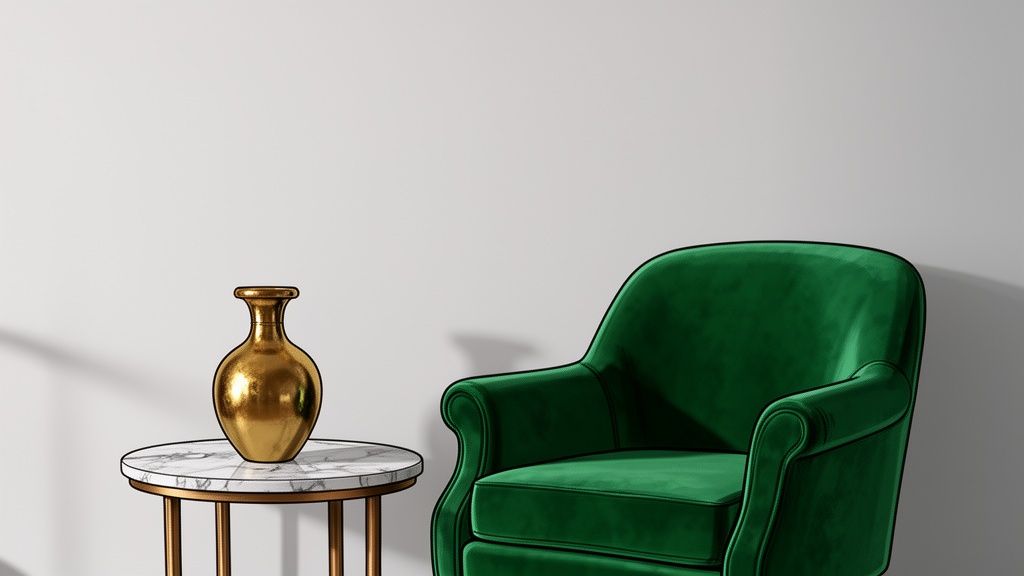
The combination of gray and emerald green creates an atmosphere of opulence and sophisticated drama. This jewel-toned pairing brings together gray's cool, grounding neutrality with the vibrant, natural richness of emerald. The result is a bold, elegant space that feels both luxurious and contemporary, making it one of the most striking colors that match gray for creating memorable interiors.
This duo is perfect for making a confident statement. Gray provides a modern, understated backdrop that allows the deep, saturated green to stand out without overwhelming the room. Popularized in high-end hospitality and luxury retail design, this pairing is ideal for feature walls, statement furniture, and architectural details where you want to add a touch of glamour and personality.
Why It Works
Gray and emerald green work together by creating a powerful contrast between neutral and jewel tones. The gray base tempers emerald’s intensity, ensuring the overall look is refined rather than gaudy. This color scheme is frequently seen in upscale hotel suites and modern libraries because it communicates a sense of curated luxury and intellectual depth. An emerald velvet headboard against a charcoal gray wall, for example, instantly elevates a bedroom into a chic sanctuary.
Key Insight: The success of this pairing hinges on material choice. Incorporate textures like velvet, marble, and warm metallics such as brass or champagne gold to amplify the sense of luxury and prevent the combination from feeling flat.
Actionable Tips for Implementation
Use the 20/80 Rule: Keep emerald green as a deliberate accent, covering about 20% of the room. Use it for a feature armchair, drapery, or a paneled accent wall, while gray dominates the larger surfaces to maintain balance.
Pair with Warm Metals: Accentuate the richness of emerald green with warm metallic finishes. Brass light fixtures, gold-framed mirrors, or bronze decor pieces will make the green pop and add to the opulent feel.
Ensure Proper Lighting: Emerald is a deep color that absorbs light. Maximize natural and artificial lighting to ensure the space feels vibrant, not dark. Well-lit rooms allow the jewel tone's complexity to shine. For help visualizing different lighting conditions and palettes, you can explore a color scheme generator to test combinations.
6. Gray + Warm Terracotta / Rust
The combination of gray and warm terracotta or rust creates an earthy, inviting palette that feels both grounded and sophisticated. This pairing bridges contemporary neutrality with organic warmth, invoking a sense of comfort and connection to nature. Terracotta’s fiery, sun-baked tones inject life and energy into gray’s cool composure, resulting in a look that is rich, layered, and emotionally resonant.
This duo is one of the most effective colors that match gray for creating a modern rustic or Southwestern-inspired aesthetic. It balances the sleekness of modern design with the raw, artisanal quality of natural materials. The result is a space that feels curated yet lived-in, making it perfect for living rooms, kitchens, and bedrooms where a welcoming atmosphere is key.
Why It Works
Gray and terracotta work together by creating a beautiful contrast between cool and warm tones. Gray provides a stable, modern backdrop that allows terracotta’s warmth to stand out without overwhelming the space. This pairing is popular in Mediterranean and Spanish Colonial architecture, where neutral stucco walls are often complemented by terracotta roof tiles and pottery. In a contemporary setting, a charcoal gray sofa topped with rust-colored pillows achieves a similar high-impact, balanced effect.
Key Insight: To keep this color scheme feeling modern, use terracotta as an accent rather than a dominant wall color. A terracotta accent wall, velvet armchair, or patterned rug can provide the perfect amount of warmth without making the room feel dated.
Actionable Tips for Implementation
Choose Muted Shades: Opt for sophisticated, muted terracotta or rust shades with brown undertones instead of bright orange-reds. This ensures the color feels elegant and timeless.
Balance with Natural Wood: Incorporate natural wood flooring or warm-toned furniture to complement the earthy palette. The texture of the wood will enhance the organic feel of the terracotta.
Layer with Warm Whites: Add accents of cream, ivory, or warm white to soften the contrast between gray and rust. This third neutral helps to create a more cohesive and layered look.
7. Gray + Soft Blush / Mauve
The combination of gray with soft blush or mauve creates a delicate, sophisticated, and modern aesthetic. This pairing balances the cool neutrality of gray with the gentle warmth of muted pink, resulting in an atmosphere that is both calming and elegantly chic. It’s a contemporary take on color that feels refined rather than overly feminine.
This duo is one of the most stylish colors that match gray for creating serene, high-end environments. It infuses a space with a subtle touch of warmth and personality without sacrificing gray’s inherent versatility. The gentle contrast between cool gray and warm blush adds depth and visual interest, making it a popular choice for bedrooms, luxury bathrooms, and sophisticated living areas.
Why It Works
Gray and soft blush work together by creating a harmonious balance between cool and warm tones. The gray provides a stable, modern foundation, while the blush introduces a soft, inviting energy that prevents the room from feeling cold or stark. This combination is frequently used in high-end home staging and spa-inspired designs because it conveys a sense of gentle luxury and tranquility that has broad appeal.
Key Insight: The success of this pairing lies in choosing a muted, dusty blush or mauve. Avoid bright, saturated pinks, which can clash with gray’s understated nature. The goal is a subtle, sophisticated warmth.
Actionable Tips for Implementation
Use Blush as an Accent: For a timeless look, use a light to mid-tone gray (like Benjamin Moore's HC-172 Pale Oak) for the walls and introduce soft blush through textiles, such as velvet throw pillows, a linen duvet cover, or an accent chair.
Pair with Cool Metals: Enhance the modern, elegant feel by incorporating metallic accents in chrome, silver, or brushed nickel. These cool-toned metals complement both the gray and the blush beautifully.
Incorporate Soft Textures: Layering textures is crucial for sophistication. Combine a plush gray rug, soft mauve curtains, and blush-toned velvet or wool decor to add depth and tactile warmth to the space. White or cream accents can also be added to keep the palette light and airy.
8. Gray + Warm Gold / Brass Accents
Pairing gray with warm gold or brass accents is a luxurious strategy that brings sophistication and warmth to a neutral palette. While not a traditional color, metallic finishes act as powerful accent elements, elevating gray spaces by creating a rich, layered aesthetic. This combination thrives on contrast: the cool, understated nature of gray provides a perfect backdrop for the radiant warmth of gold and brass, resulting in a look that feels both high-end and inviting.
This duo is a hallmark of contemporary luxury and mid-century modern revival styles, where materials and finishes are as crucial as the color palette. The metallic sheen introduces a textural element that breaks up the matte or satin finish of gray walls and furniture, adding visual interest and a touch of glamour. It’s an ideal choice for creating refined spaces, from elegant living rooms to opulent master bedrooms.
Why It Works
This pairing works because of the beautiful balance between cool and warm tones. Gray offers a stable, grounding presence, while gold and brass inject energy and opulence. The reflective quality of the metallics catches light, brightening the space and drawing attention to key details like hardware, lighting fixtures, and decorative objects. This strategic use of metallic accents makes the entire room feel more curated, intentional, and expensive, which is why it's a favorite among luxury designers like Kelly Wearstler.
Key Insight: The finish of the metal is crucial. For a modern, sophisticated look, opt for brushed or matte gold and brass. These softer finishes provide warmth without the overpowering shine of polished alternatives, feeling more integrated and timeless.
Actionable Tips for Implementation
Follow the 10-15% Rule: Use metallics as accent pieces, comprising about 10-15% of the room's visual elements. Focus on hardware, light fixtures, mirror frames, and small decor items to avoid overwhelming the space.
Maintain Consistency: Choose one primary metallic tone (either gold or brass) and stick with it throughout the room for a cohesive look. Mixing multiple metallics can look cluttered if not done with expert precision.
Pair with the Right Gray: Warm gold and brass tones pop beautifully against cool-toned, medium-to-dark grays like charcoal or slate. This high contrast enhances the richness of the metal. If you’re looking for more bedroom color scheme ideas, this combination offers a truly luxurious feel.
9. Gray + Soft Sage Green
The pairing of gray and soft sage green creates a harmonious, nature-inspired palette that brings a sense of tranquility and organic sophistication to any room. This combination merges the urban neutrality of gray with the calming, earthy quality of sage, resulting in an atmosphere that is both grounding and restorative. It works because the muted green tones soften gray’s cool, architectural edge, infusing the space with a subtle vitality.
This duo is one of the most serene colors that match gray, making it ideal for creating peaceful retreats like bedrooms, bathrooms, and wellness-focused spaces. The combination feels balanced and contemporary, effortlessly bridging the gap between modern minimalism and biophilic design. It evokes the quiet stillness of a misty forest, offering a sophisticated escape from the hustle and bustle of daily life.
Why It Works
Gray and soft sage green succeed by creating a low-contrast, analogous color scheme that is inherently easy on the eyes. Sage green, with its gray undertones, blends seamlessly with various shades of gray, from light dove to deep charcoal. This subtle relationship produces a layered, cohesive look that feels intentional and high-end. It’s a popular choice in boutique hotels and spas because it communicates a sense of calm, understated luxury. For example, a bathroom with charcoal gray floor tiles and soft sage green walls feels both modern and spa-like.
Key Insight: This combination thrives on a muted palette. Stick to soft, dusty, or grayed-out sage greens and avoid bright, yellow-toned greens, which can clash with gray's cool neutrality and disrupt the intended calming effect.
Actionable Tips for Implementation
Embrace Natural Textures: Enhance the organic feel by incorporating natural materials. Think light oak furniture, woven jute rugs, linen curtains, and plenty of live plants. These elements will amplify the connection to nature.
Create a Balanced Accent: Use sage green as a secondary color, covering about 30-40% of the room. This could be an accent wall, a velvet sofa, kitchen cabinetry, or drapery. Use gray as the primary neutral base to keep the space grounded.
Layer with Light Neutrals: To keep the room feeling bright and airy, incorporate accents of cream, off-white, or beige. These warmer neutrals add depth and prevent the gray-green palette from feeling too flat or cool.
10. Gray + Dusty Lavender / Purple
The pairing of gray and dusty lavender creates a sophisticated and artistic atmosphere, blending gray's calm neutrality with the subtle creative energy of muted purple. This combination feels both luxurious and contemporary, offering a unique alternative to more common color schemes. Dusty lavender, with its soft, grayed-out undertones, harmonizes beautifully with cool-toned grays, resulting in an elegant and cohesive look that feels intentional and deeply personal.
This duo is one of the more expressive colors that match gray, ideal for crafting spaces that feel refined yet imaginative. It bridges the gap between traditional and modern aesthetics, infusing rooms with a gentle dose of personality without overwhelming them. The pairing is perfect for bedrooms, creative home offices, or powder rooms where a touch of unexpected luxury is desired. It’s a chic, forward-thinking choice for those looking to create a memorable and design-conscious interior.
Why It Works
Gray and dusty lavender succeed by striking a delicate balance between serenity and creativity. The gray provides a stable, grounding foundation, which allows the lavender to add color and personality without feeling overly bright or juvenile. This combination is often seen in high-end boutique hotels and modern spas because it communicates a sense of tranquil luxury and thoughtful design. For instance, charcoal gray walls paired with a dusty lavender accent chair and silk pillows create a look that is both dramatic and inviting.
Key Insight: To elevate a gray and lavender scheme, incorporate metallic accents. Polished brass, chrome, or matte black fixtures and decor add a layer of sophistication that complements the pairing’s refined nature.
Actionable Tips for Implementation
Choose the Right Tones: Stick to muted, sophisticated lavenders with gray or blue undertones, like Sherwin-Williams SW 6271 Expressive Plum. Avoid bright purples, which can clash with gray's subtlety. Pair them with cool-toned grays like Benjamin Moore’s HC-169 Coventry Gray.
Use Lavender as an Accent: Treat dusty lavender as a strategic accent color. Use it for an accent wall, bedding, throw pillows, or artwork, keeping it to around 30% of the room’s color palette to maintain a balanced and elegant feel.
Layer with Luxe Materials: Enhance the sophisticated aesthetic by introducing luxurious textures. Think gray velvet upholstery, lavender silk curtains, or a gray marble vanity with lavender accents. These materials add depth and tactile interest.
Top 10 Colors That Pair with Gray
Combination | Complexity 🔄 | Resources & Effort ⚡ | Outcome & Advantages ⭐📊 | Ideal Use Cases | Quick Tip 💡 |
|---|---|---|---|---|---|
Gray + White | 🔄 Low — simple palette, easy implementation | ⚡ Low — basic paints, minimal staging | ⭐ Timeless, bright; 📊 enlarges perceived space; highly versatile | Small rooms, modern/minimalist homes, staging | Use warm whites (ivory) & 70% gray / 30% white; add wood/textiles to avoid coldness |
Gray + Navy Blue | 🔄 Medium — needs proportion and lighting control | ⚡ Medium — richer fabrics, deeper paint, metallic accents | ⭐ Sophisticated, anchored; 📊 adds depth and formality | Bedrooms, studies, accent walls, luxury listings | Use navy for furniture/feature walls (60% gray/40% navy); warm 3000K lighting & brass accents |
Gray + Warm Beige / Taupe | 🔄 Low–Medium — subtle balancing of undertones | ⚡ Low–Medium — emphasis on textures and wood finishes | ⭐ Inviting, broadly appealing; 📊 strong marketability | Transitional living rooms, model homes, spa-like spaces | Layer textures; dominant 70% color, choose warm-beige (avoid gray-tinged beiges) |
Gray + Charcoal / Black (Monochrome & High Contrast) | 🔄 High — requires precise balance and lighting design | ⚡ Medium — quality lighting, reflective surfaces, finishes | ⭐ Dramatic, design-forward; 📊 strong visual impact for architecture | Lofts, feature walls, high-end staging, commercial spaces | Use ~70% light gray / 30% charcoal; add bright white accents and warm lighting to lift space |
Gray + Emerald Green | 🔄 Medium — bold accenting with curated materials | ⚡ Medium–High — quality upholstery, metals, marble | ⭐ Luxurious, memorable; 📊 high-end appeal when executed well | Bedrooms, libraries, feature walls, luxury listings | Use emerald for 20–30% (accent furniture/walls); pair with brass and light-to-medium gray |
Gray + Warm Terracotta / Rust | 🔄 Medium — shade selection critical to avoid dated look | ⚡ Low–Medium — tiles, textiles, natural materials | ⭐ Warm, grounded, emotive; 📊 inviting photography and family appeal | Mediterranean, rustic kitchens, farmhouse living rooms | Favor muted terracotta; ~60% gray / 40% terracotta; add warm wood and cream accents |
Gray + Soft Blush / Mauve | 🔄 Low–Medium — subtlety in tone selection required | ⚡ Low — paint and soft furnishings | ⭐ Soft, calming, sophisticated; 📊 excellent for intimate spaces | Bedrooms, bathrooms, powder rooms, upscale staging | Use muted blush as accents (≤30%); keep walls light gray and use marble or silk textures |
Gray + Warm Gold / Brass Accents | 🔄 Medium — careful restraint needed to avoid gaudiness | ⚡ Medium — quality fixtures and finishes essential | ⭐ Elevates perceived luxury; 📊 increases visual richness and value | Kitchens, bathrooms, luxe living rooms, hospitality | Use metallics as 10–15% of visuals; pick one warm metal and matte/brushed finishes |
Gray + Soft Sage Green | 🔄 Low–Medium — coordinate undertones and materials | ⚡ Low — paint, plants, natural fibers | ⭐ Serene and organic; 📊 strong wellness and lifestyle appeal | Bedrooms, wellness spaces, living rooms, spas | Use muted sage (30–40%) with natural wood; avoid yellow-green tones |
Gray + Dusty Lavender / Purple | 🔄 Medium — needs muted, sophisticated shade choice | ⚡ Low–Medium — textiles, accent pieces | ⭐ Artistic and memorable; 📊 appeals to design-conscious buyers | Bedrooms, creative studios, boutique hotels | Use dusty lavender ≤30% as accents; pair with cool gray and bright white accents |
Bringing Your Perfect Gray Palette to Life
Gray is far more than a simple, neutral backdrop; it is a powerful design tool capable of transforming any space. Throughout this guide, we've explored the incredible versatility of this foundational color, moving beyond the simple question of "what colors match gray?" to uncover the nuanced art of creating truly harmonious and intentional palettes. You've seen how a cool-toned light gray can create a crisp, airy feel with classic white, while a warm charcoal gray paired with rich terracotta can evoke a sense of earthy, grounded comfort.
The journey from a blank canvas to a beautifully designed room hinges on understanding the subtle principles we've discussed. It's not just about picking a color you like; it’s about recognizing the undertones in your chosen gray and selecting partners that either complement them for a cohesive look or contrast with them for a dynamic statement. The difference between a room that feels just right and one that feels slightly off often lies in this crucial detail.
Key Takeaways for Your Gray-Centric Design
As you prepare to bring your vision to life, keep these core principles at the forefront of your planning process. They are the strategic guideposts that will ensure your color choices are both beautiful and effective.
Undertone is Everything: Before selecting any accent color, identify whether your primary gray is cool (with blue or purple undertones) or warm (with yellow or brown undertones). This single factor is the most important predictor of a successful color pairing. Cool grays thrive with blues, greens, and crisp whites, while warm grays flourish alongside beiges, terracotta, and warm metals like brass.
Balance Light and Dark: Your chosen gray sets the stage for the room's overall mood. Light grays create an open, expansive feel, making them ideal for smaller rooms or spaces needing more light. Darker grays, like charcoal, introduce drama and intimacy, perfect for creating cozy dens, accent walls, or sophisticated bedrooms. Your accent colors should respect this balance, either enhancing the brightness or deepening the moody atmosphere.
The 60-30-10 Rule Revisited: Remember to apply this classic design principle. Your dominant gray should cover about 60% of the space (walls), your secondary color (like navy blue furniture or a beige rug) should take up 30%, and your accent color (gold fixtures, blush pink pillows) should be the final 10%. This formula creates visual balance and prevents any single color from overpowering the design.
Texture Adds Depth: A successful gray palette isn't just about color; it's about texture. Imagine a soft gray wool sofa against a smooth, matte charcoal wall. Or consider warm brass fixtures glinting against a light gray linen wallpaper. Mixing textures like wood, metal, velvet, and stone prevents a gray-dominant room from feeling flat and one-dimensional.
From Inspiration to Implementation
You are now equipped with the knowledge to confidently select colors that match gray in a way that aligns with your personal style and the specific needs of your space. Whether you're aiming for the serene tranquility of Gray + Sage Green, the bold sophistication of Gray + Emerald, or the gentle warmth of Gray + Dusty Lavender, your path forward is clear.
The final, crucial step is to bridge the gap between imagination and reality. Paint swatches on a wall are a good start, but they only tell part of the story. To truly eliminate guesswork and design with absolute confidence, you must visualize the complete picture. This is where you move from hoping the colors will work to knowing they will. By testing your chosen palette in the context of your own room, with your own lighting and furniture, you can finalize your decisions and begin your project with the assurance that the outcome will be exactly what you envisioned.
Ready to see these stunning gray color combinations in your own home before you even pick up a paintbrush? Upload a photo of your room to Decor8 AI and use its powerful virtual staging tools to instantly visualize different palettes, test paint colors, and experiment with accent furniture. Make design decisions with confidence and bring your perfect vision to life by visiting Decor8 AI today.
Comments