Bedroom Design Ideas
The bedroom is your personal sanctuary—a private retreat designed for rest, rejuvenation, and intimacy. More than just a place to sleep, the bedroom should promote relaxation, support healthy sleep habits, and reflect your personal style. Whether minimal or luxurious, the best bedrooms balance comfort with aesthetics to create spaces you look forward to retreating to each day.
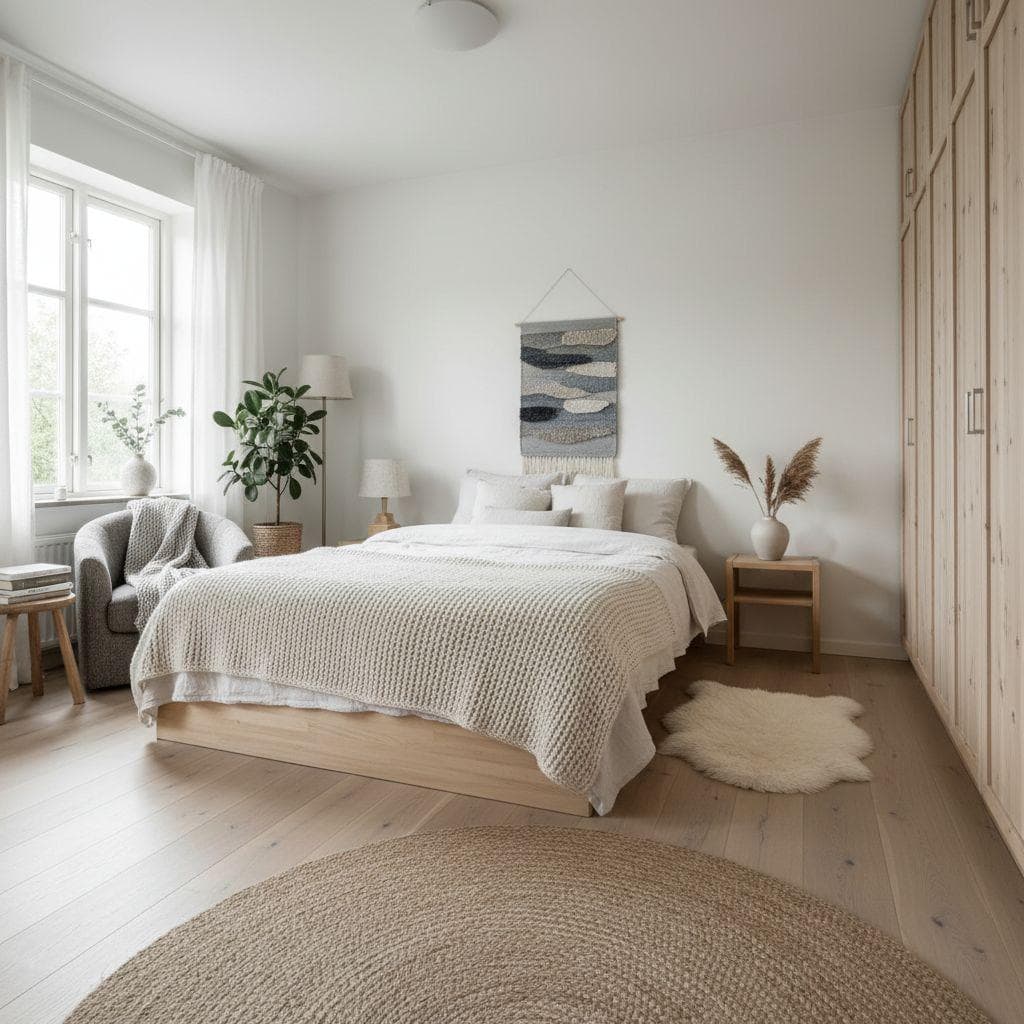
Bedroom in Different Styles
See how your bedroom can look in various design styles
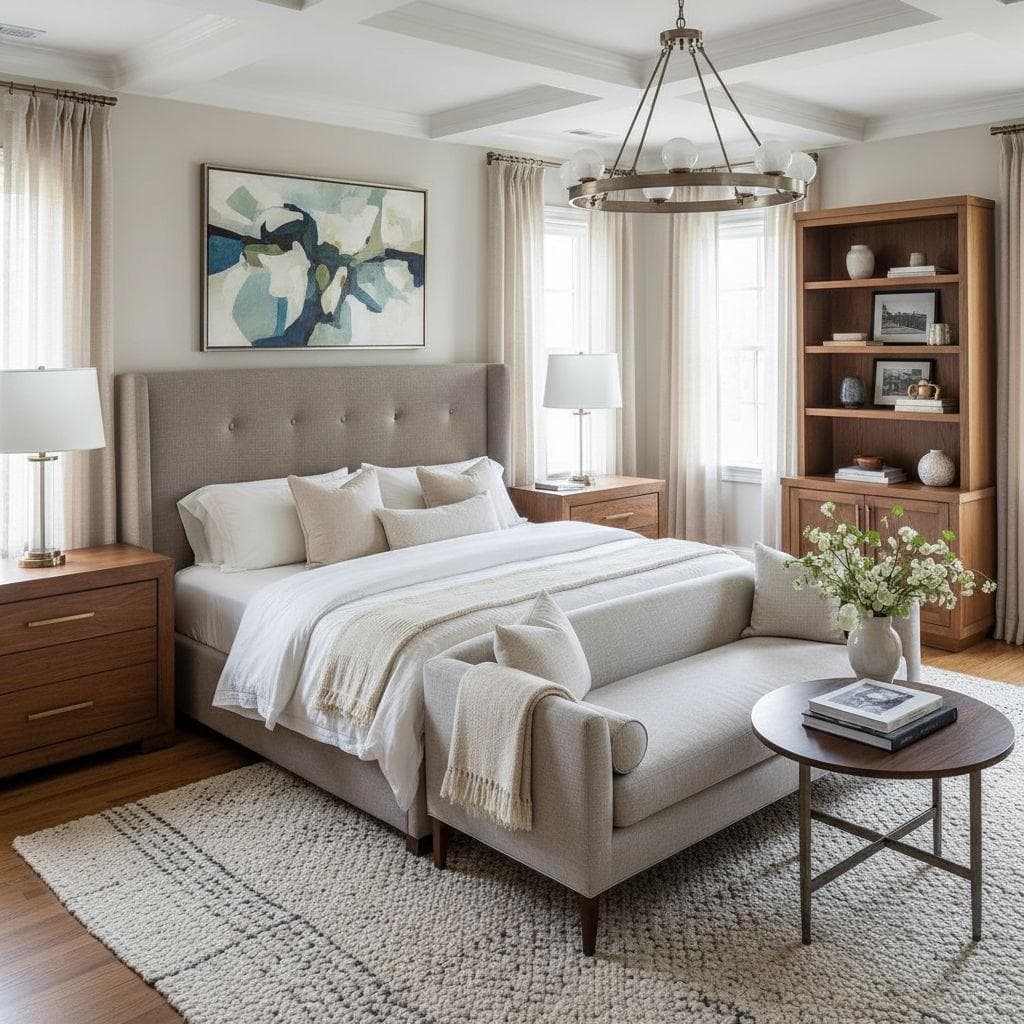
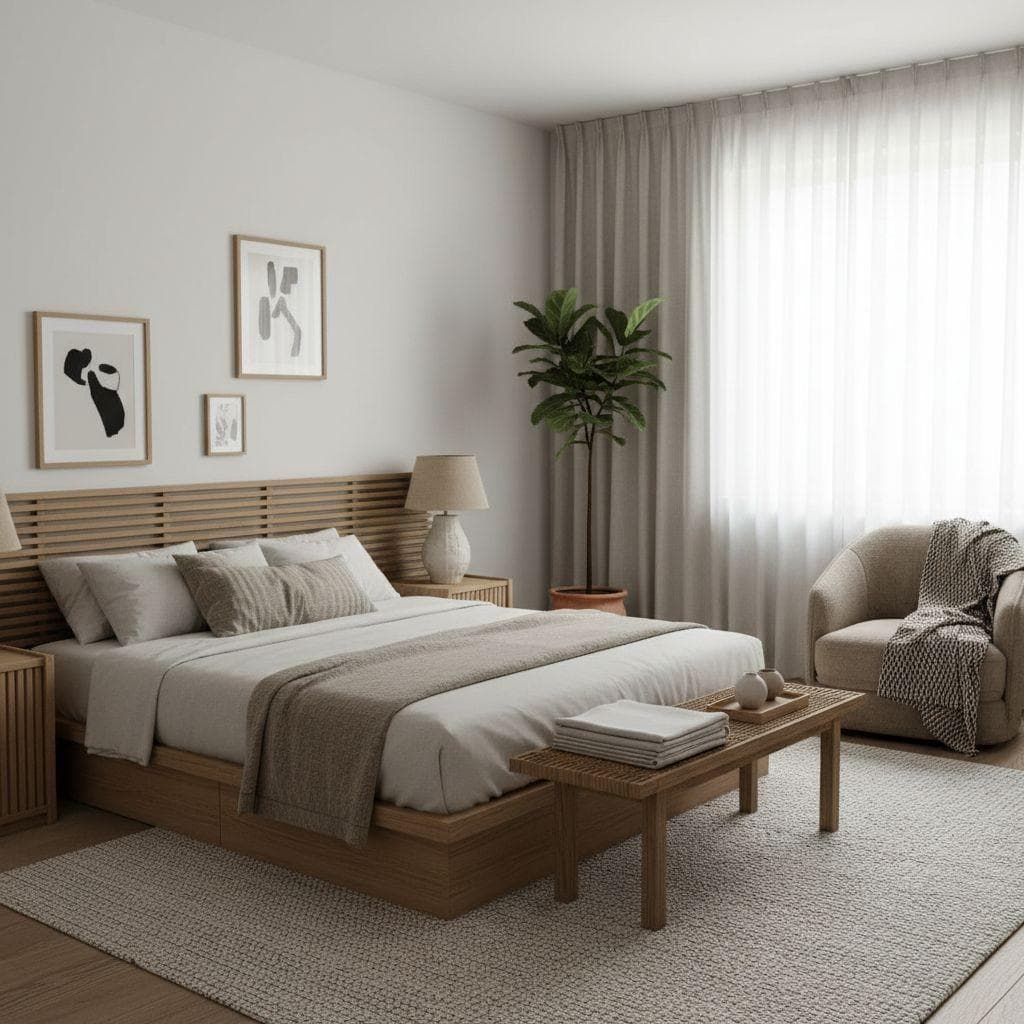
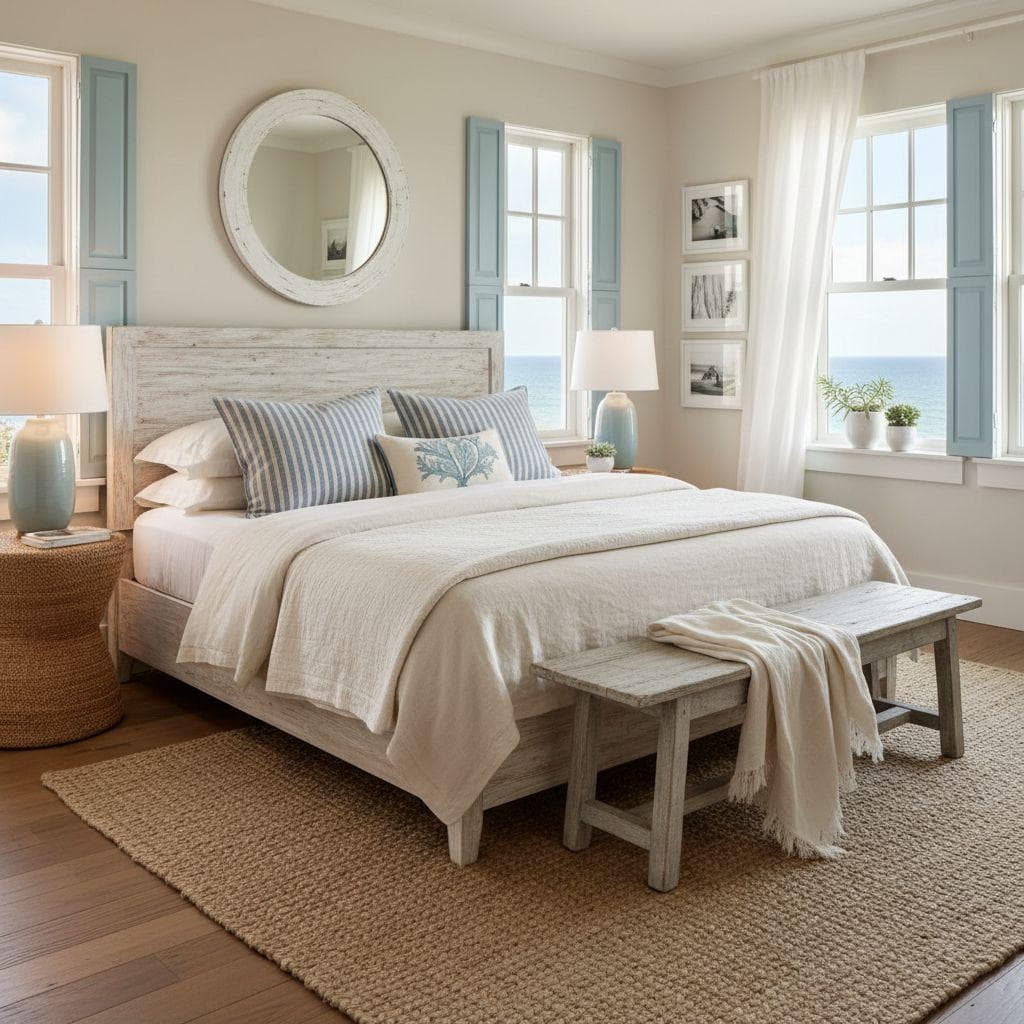
About Bedroom Design
Bedrooms serve primarily for sleep and rest, but also function as spaces for dressing, reading, intimacy, and personal retreat. The design should prioritize sleep quality while accommodating daily routines like getting dressed and winding down.
Design Considerations
- Position bed as the focal point
- Ensure adequate task lighting for reading
- Plan for blackout options for sleep
- Include sufficient storage for clothing
- Create symmetry for visual calm
- Choose calming color palettes
- Consider acoustic privacy
- Plan for morning and evening routines
Common Challenges
- Creating a restful atmosphere for sleep
- Maximizing storage in limited space
- Balancing multiple functions (sleep, dress, work)
- Managing light for both day and night
- Fitting essential furniture in small rooms
- Temperature and climate control
- Minimizing clutter for calm
- Accommodating partners with different preferences
Layout Tips
- Position bed away from the door but with view of entry
- Leave 2-3 feet on each side for nightstands and walking
- Center bed on the largest wall or focal point
- Avoid placing bed under windows if possible
- Ensure dresser has clearance for drawers
- Consider traffic flow for daily routines
Best Styles for Bedroom
Explore design styles that work exceptionally well for bedrooms.
Bedroom Furniture Guide
Essential Furniture
- Bed with quality mattress
- Nightstands (one or two)
- Dresser or chest of drawers
- Bedside lamps or lighting
- Window treatments
Optional Additions
- Bench at foot of bed
- Armchair or reading chair
- Desk or vanity
- Full-length mirror
- TV and media console
- Area rug
Lighting Needs
- Ambient overhead lighting (with dimmer)
- Task lighting on nightstands
- Natural light with blackout options
- Closet lighting
- Optional: accent or decorative lighting
Storage Solutions
- Closet space for hanging clothes
- Drawer storage for folded items
- Nightstand storage for essentials
- Under-bed storage (if space is tight)
- Seasonal item storage
Size Considerations
Small Bedroom
In small bedrooms (under 100 sq ft), prioritize the bed and essential nightstands. Use wall-mounted lights to save nightstand space. Consider a headboard with built-in storage. Skip the bench and armchair. Use vertical storage and under-bed options. Mirrors expand the visual space.
Medium Bedroom
Medium bedrooms (100-200 sq ft) can include a full bed setup, dresser, and possibly a small seating area or desk. A bench at the foot of the bed works well. Add an area rug to define the bed zone.
Large Bedroom
Large bedrooms (200+ sq ft) can create distinct zones: sleeping area, sitting area, dressing area. Include a proper reading chair, bench, and possibly a desk or vanity. Use area rugs to define zones within the larger space.
Related Room Types
Explore other room types with similar design considerations.
Frequently Asked Questions
Design Your Bedroom
Transform your bedroom with AI-powered interior design.