Open Workspace Design Ideas
Open workspaces are collaborative office environments with minimal barriers between workers—designed to foster communication, flexibility, and team connection. Modern open offices have evolved beyond basic cubicle-free layouts to include varied work zones, focus areas, and collaboration spaces. Effective open workspace design balances openness with the ability to concentrate.
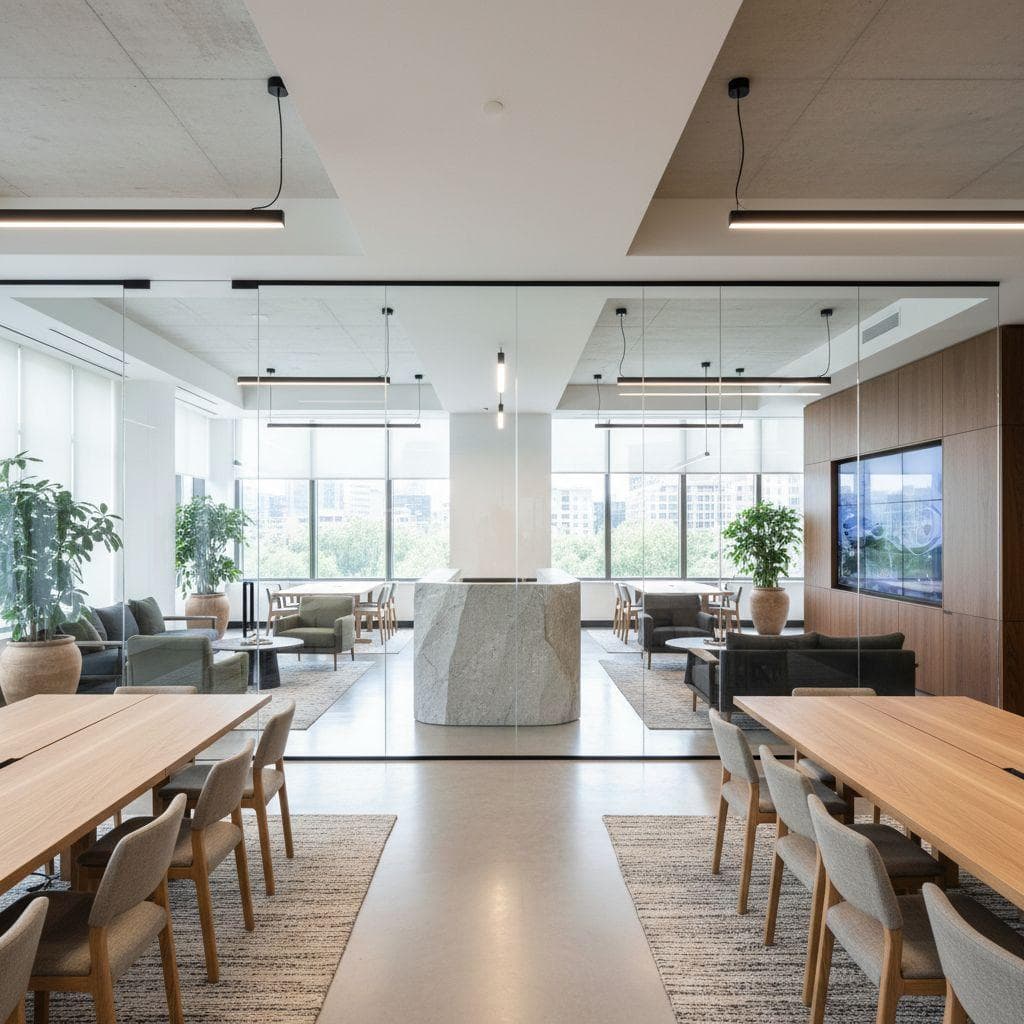
Open Workspace in Different Styles
See how your open workspace can look in various design styles
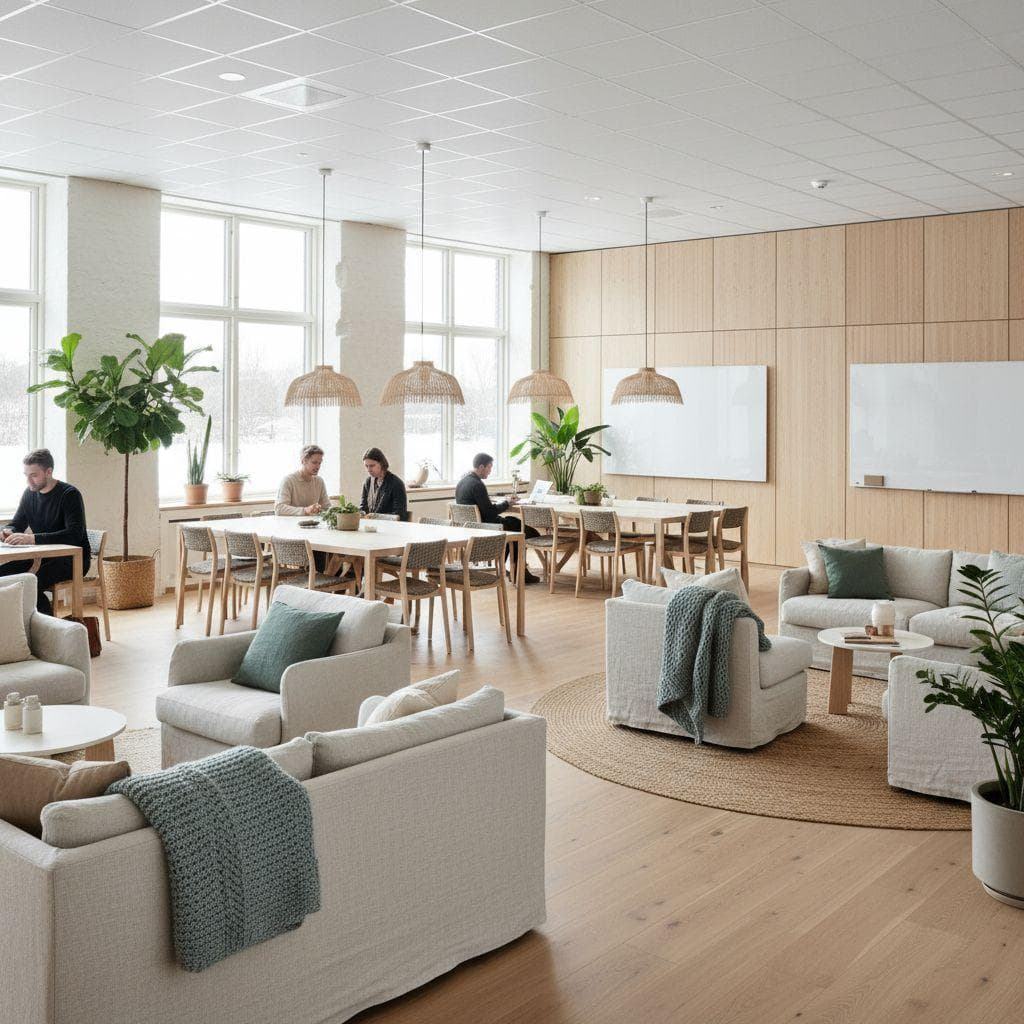
Scandinavian
Scandinavian Open Workspace combines signature style elements with functional design.
View ideas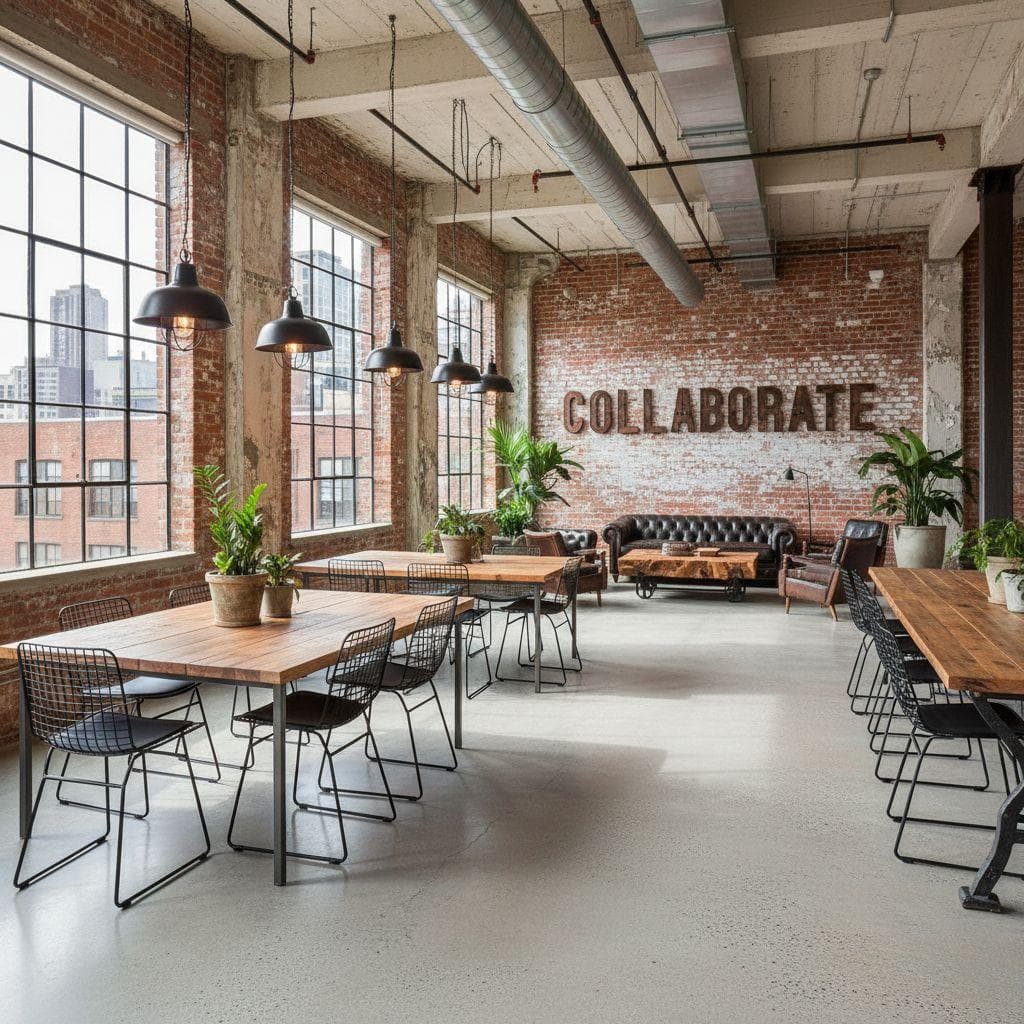
Industrial
Industrial Open Workspace combines signature style elements with functional design.
View ideas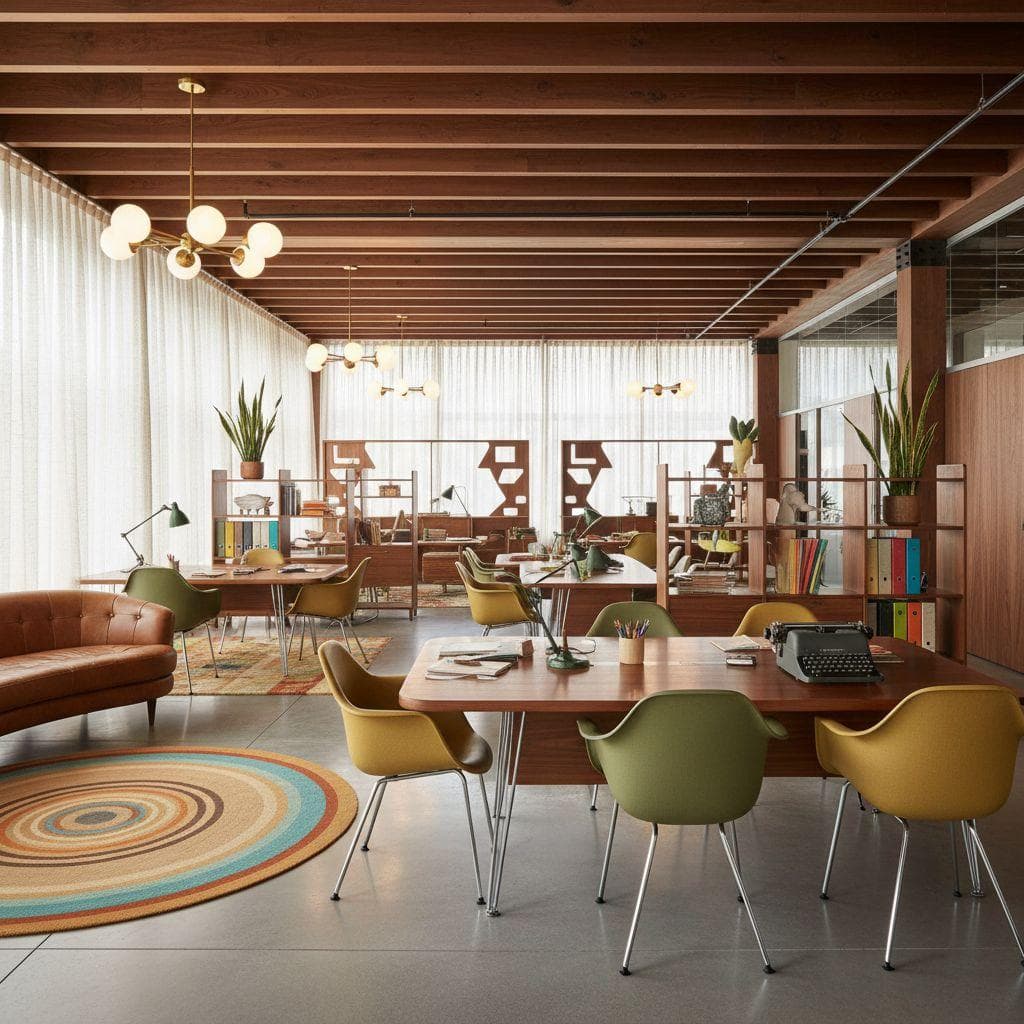
Mid-Century Modern
Mid-Century Modern Open Workspace combines signature style elements with functional design.
View ideasAbout Open Workspace Design
Open workspaces house daily work activities, promote collaboration, accommodate team growth and change, and express organizational culture. They should support both focused work and team interaction.
Design Considerations
- Include variety of work settings
- Provide phone booths and focus pods
- Plan acoustic treatments throughout
- Include personal and shared storage
- Balance desk density with wellbeing
- Ensure adequate natural light
- Create clear wayfinding
- Plan for technology throughout
Common Challenges
- Noise and distraction management
- Privacy for sensitive work and calls
- Personal space and storage
- Temperature and lighting preferences
- Focus work in open environments
- Pandemic-era spacing considerations
- Balancing collaboration with concentration
Layout Tips
- Mix desk types (individual, collaborative, standing)
- Distribute focus pods throughout
- Position teams that collaborate near each other
- Create clear pathways and circulation
- Provide variety within visual connection
Best Styles for Open Workspace
Explore design styles that work exceptionally well for open workspaces.
Open Workspace Furniture Guide
Essential Furniture
- Desks or workstations
- Ergonomic task chairs
- Storage (personal and shared)
- Collaborative furniture (soft seating, tables)
- Phone booths or focus pods
Optional Additions
- Standing desks or converters
- Lounge areas
- Cafe-style seating
- Huddle spaces
- Wellness rooms
- Game or break areas
Lighting Needs
- Abundant natural light where possible
- Task lighting options at desks
- Balanced ambient lighting
- No glare on screens
Storage Solutions
- Personal storage (lockers, pedestals)
- Team storage
- Filing and records (if applicable)
- Coat and personal item storage
Size Considerations
Small Open Workspace
Small open workspaces (under 20 people) can feel community-like. Include variety despite limited space—even one phone booth and a small collaboration area help.
Medium Open Workspace
Medium open workspaces (20-50 people) need clear zoning: neighborhoods or team areas with shared amenities. Multiple focus options are essential.
Large Open Workspace
Large open workspaces (50+ people) require sophisticated planning: distinct neighborhoods, ample focus options, varied collaboration spaces, and clear wayfinding.
Related Room Types
Explore other room types with similar design considerations.
Frequently Asked Questions
Design Your Open Workspace
Transform your open workspace with AI-powered interior design.