Nursery Design Ideas
A nursery is a specialized space designed for a baby's first years—a nurturing environment that supports sleep, feeding, diaper changes, and bonding. The best nurseries balance safety requirements with soothing aesthetics, creating calm spaces for both baby and caretakers. While trends change, the principles of a good nursery remain: safety, functionality, and an atmosphere that promotes rest.
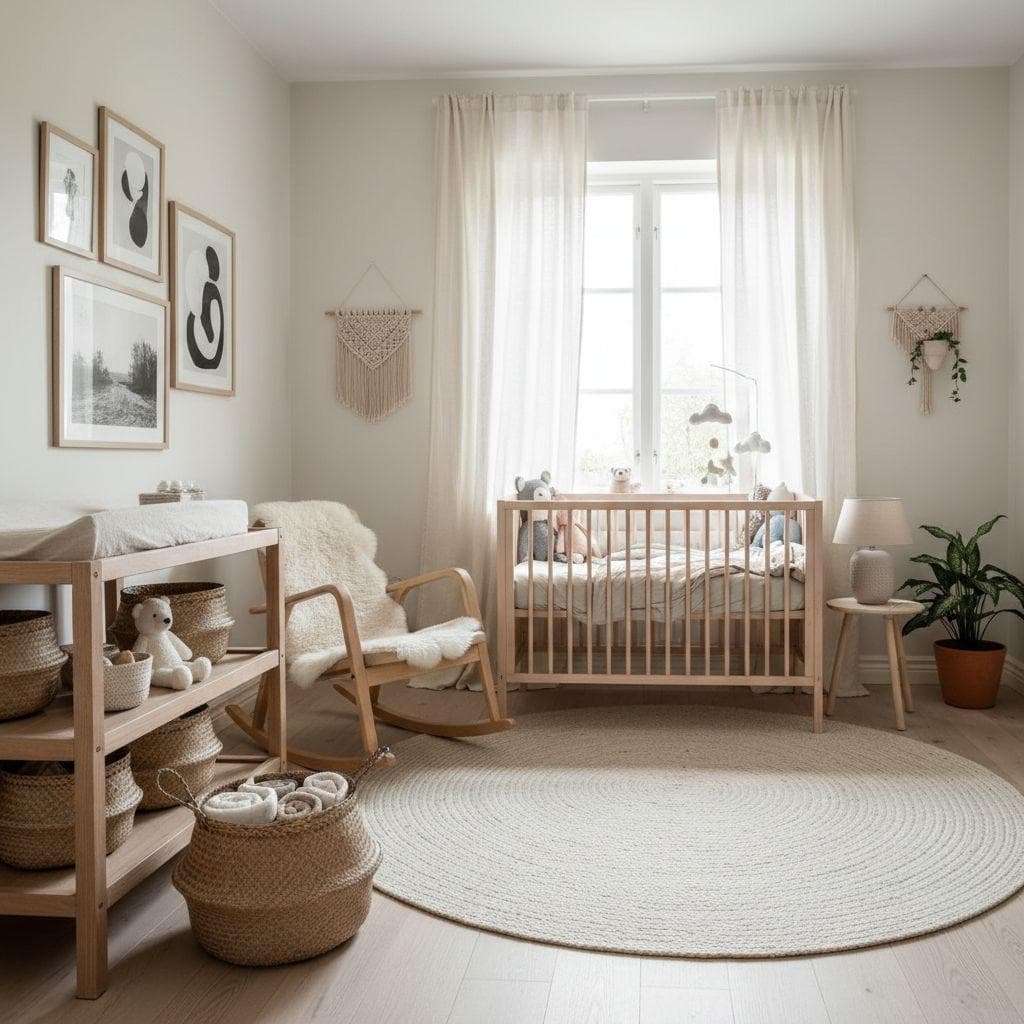
Nursery in Different Styles
See how your nursery can look in various design styles
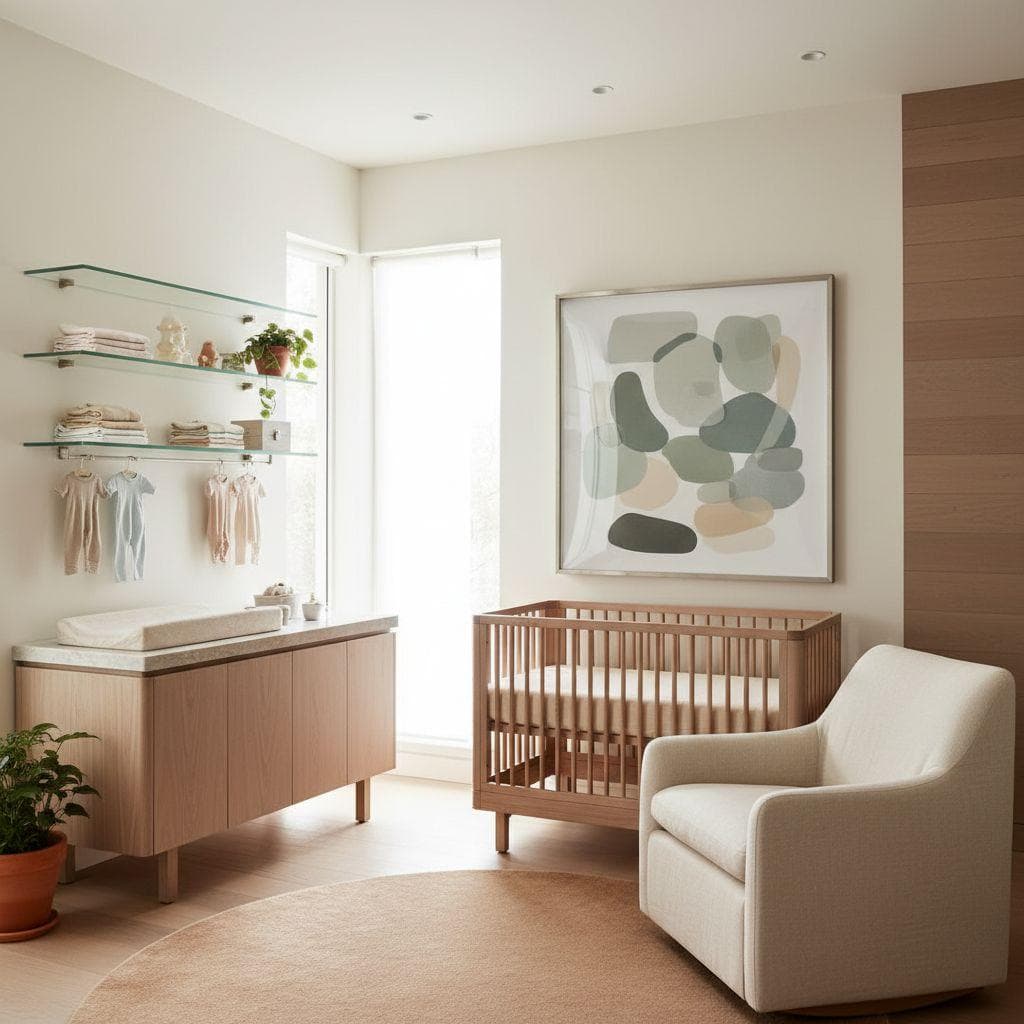
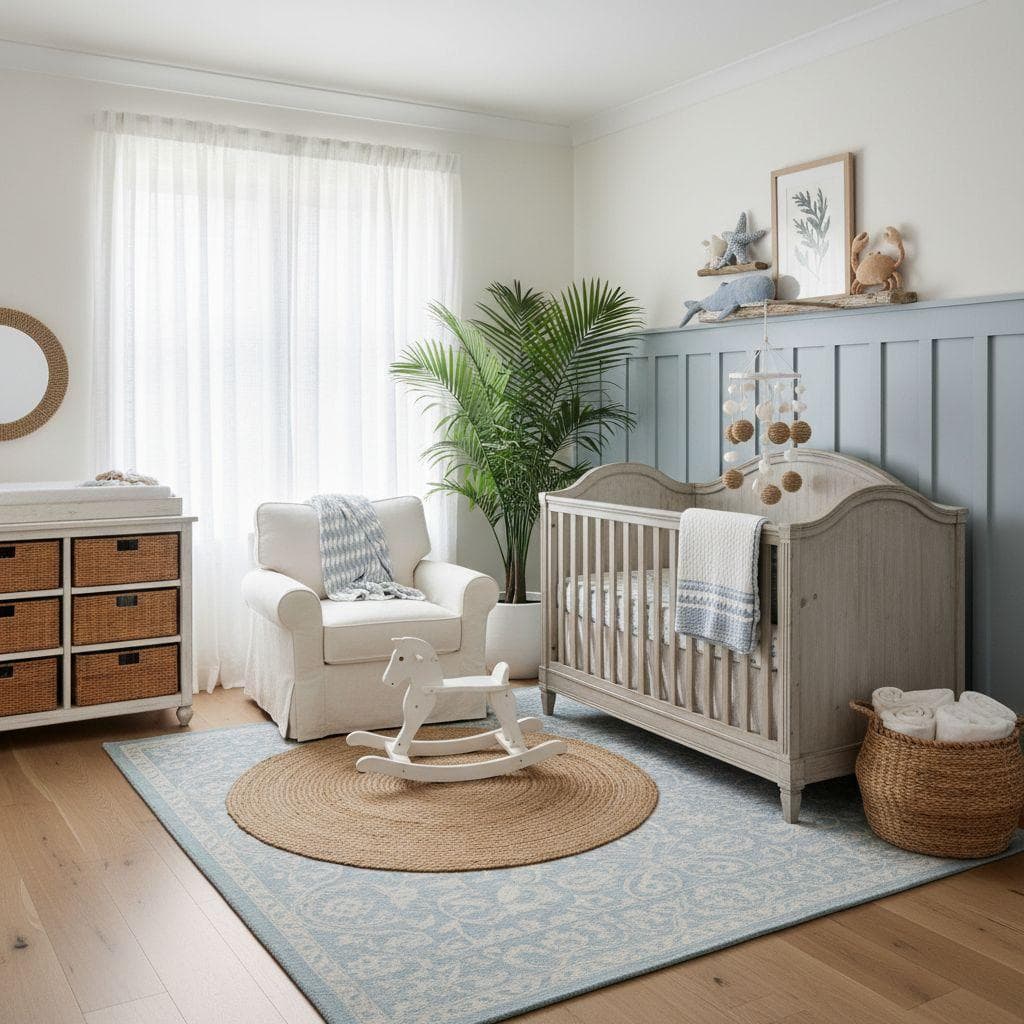
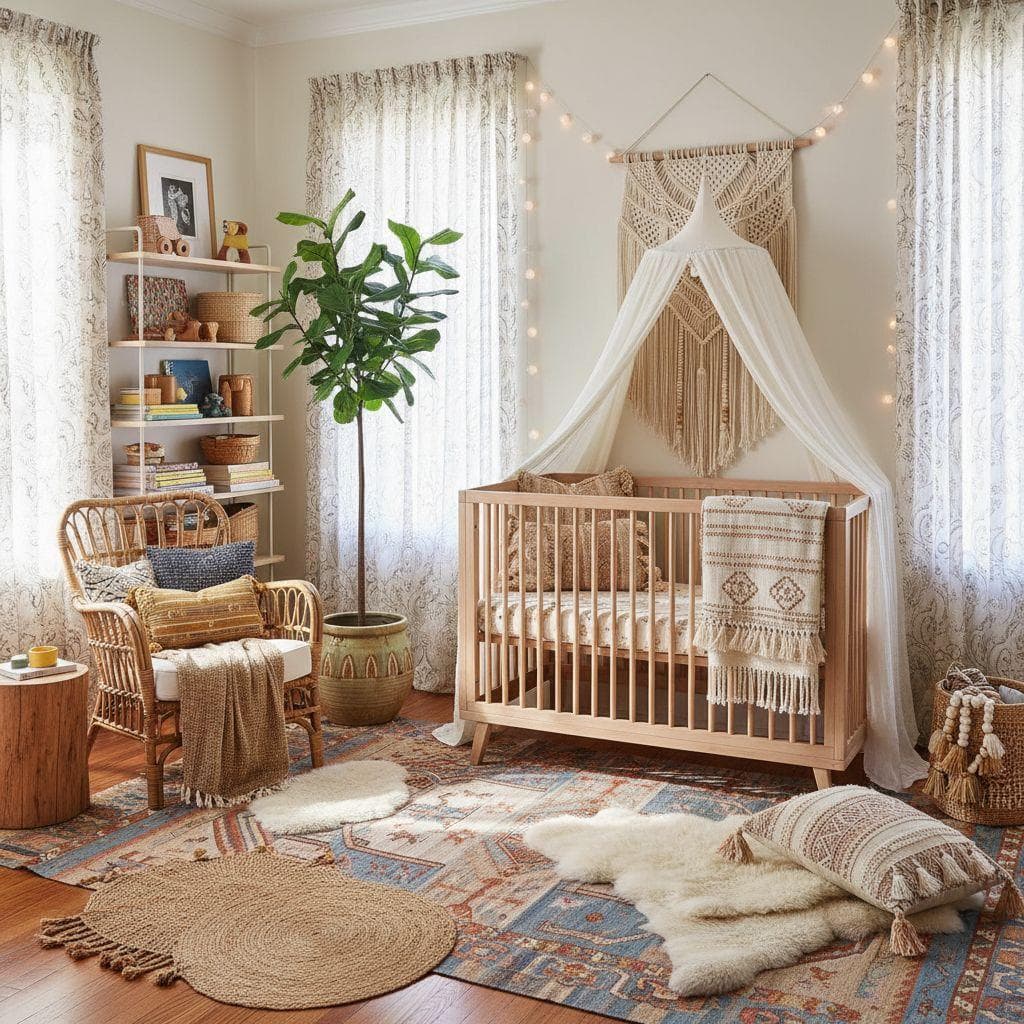
About Nursery Design
Nurseries serve infant care needs: sleeping, feeding, changing, and storing baby essentials. They should support both baby's development and parents' comfort during long nights and daily care routines.
Design Considerations
- Follow safe sleep guidelines for crib placement
- Include comfortable seating for feeding and rocking
- Plan changing area with supplies within reach
- Ensure blackout capabilities for sleep
- Create dim lighting options for night care
- Keep frequently used items accessible
- Choose washable, durable materials
- Consider room temperature control
Common Challenges
- Meeting safety requirements
- Creating a sleep-conducive environment
- Organizing baby essentials efficiently
- Designing for middle-of-night functionality
- Balancing style with practicality
- Planning for growth and transition
- Working with small spaces
- Managing noise and light
Layout Tips
- Place crib away from windows, cords, and hazards
- Position glider near crib for easy transfer
- Keep changing supplies within arm's reach of changing area
- Ensure clear path from door to crib for night visits
- Consider parent's view of crib from glider
- Leave floor space for tummy time and play
Best Styles for Nursery
Explore design styles that work exceptionally well for nurserys.
Nursery Furniture Guide
Essential Furniture
- Crib (meets current safety standards)
- Changing table or dresser with changing pad
- Comfortable glider or rocker
- Dresser for clothing storage
- Blackout curtains
Optional Additions
- Side table next to glider
- Bookshelf
- Storage ottoman
- Additional seating
- Diaper pail
- Sound machine
Lighting Needs
- Dimmable overhead lighting
- Dim nightlight for night feeds/changes
- Natural light with blackout control
- Avoid bright lights near crib
Storage Solutions
- Diaper and changing supplies
- Baby clothing (organized by size)
- Feeding supplies (if applicable)
- Blankets and swaddles
- Books and toys
- Backup essentials
Size Considerations
Small Nursery
Small nurseries can still function beautifully. Use a mini crib or standard crib, a dresser that doubles as changing table, and a slim glider. Wall-mounted shelves and closet organizers maximize space. Skip non-essentials.
Medium Nursery
Medium nurseries fit all essential furniture comfortably. Include a proper glider with ottoman, bookshelf, and play space. Add cozy elements like a rug and reading corner.
Large Nursery
Large nurseries can include dedicated zones: sleep area, changing area, feeding/bonding area, and play space. Consider a daybed for parents during difficult nights. Add display and storage features.
Frequently Asked Questions
Design Your Nursery
Transform your nursery with AI-powered interior design.