Playroom Design Ideas
A playroom is a dedicated space for children's play, creativity, and active fun—a place where toys can spread, imagination can run wild, and messes are contained away from the rest of the home. The best playrooms balance stimulating play opportunities with organization systems that make cleanup manageable. They adapt as children grow from toddlers through tweens.
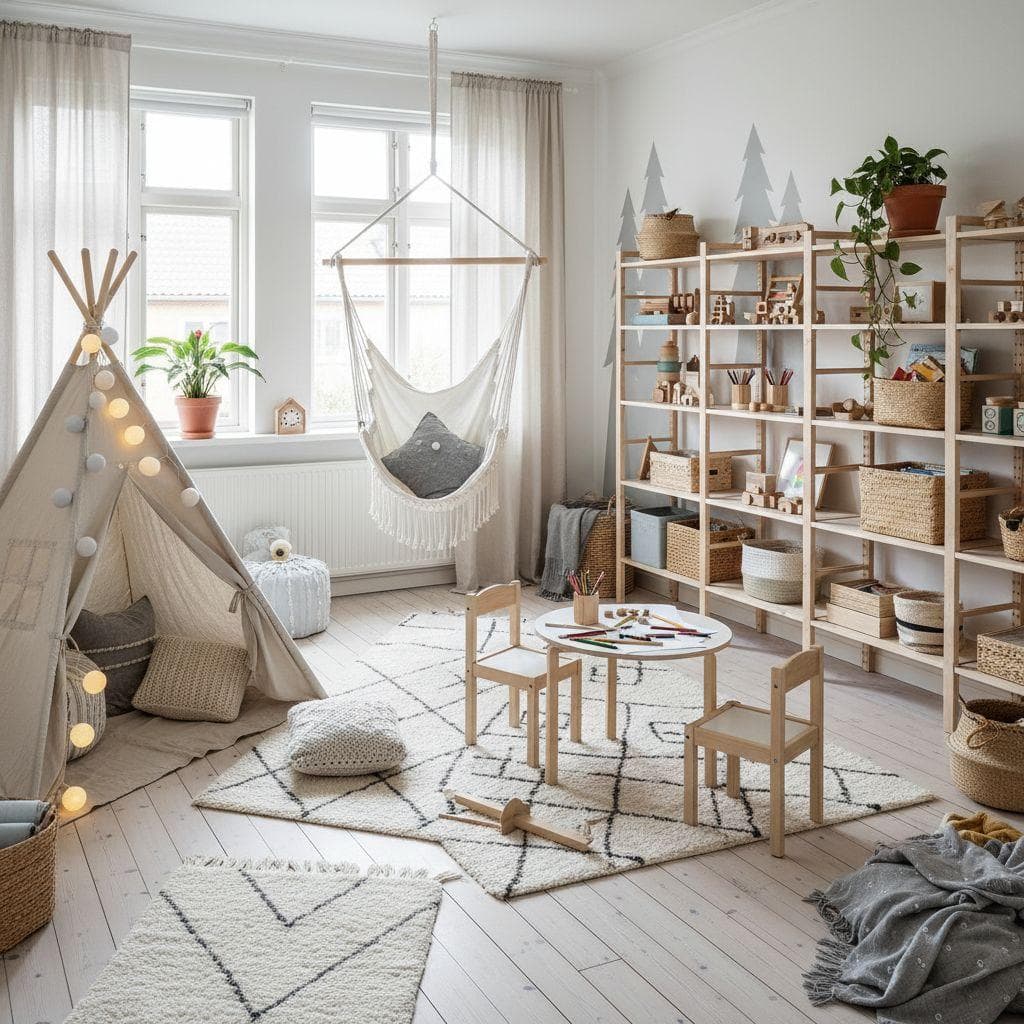
Playroom in Different Styles
See how your playroom can look in various design styles
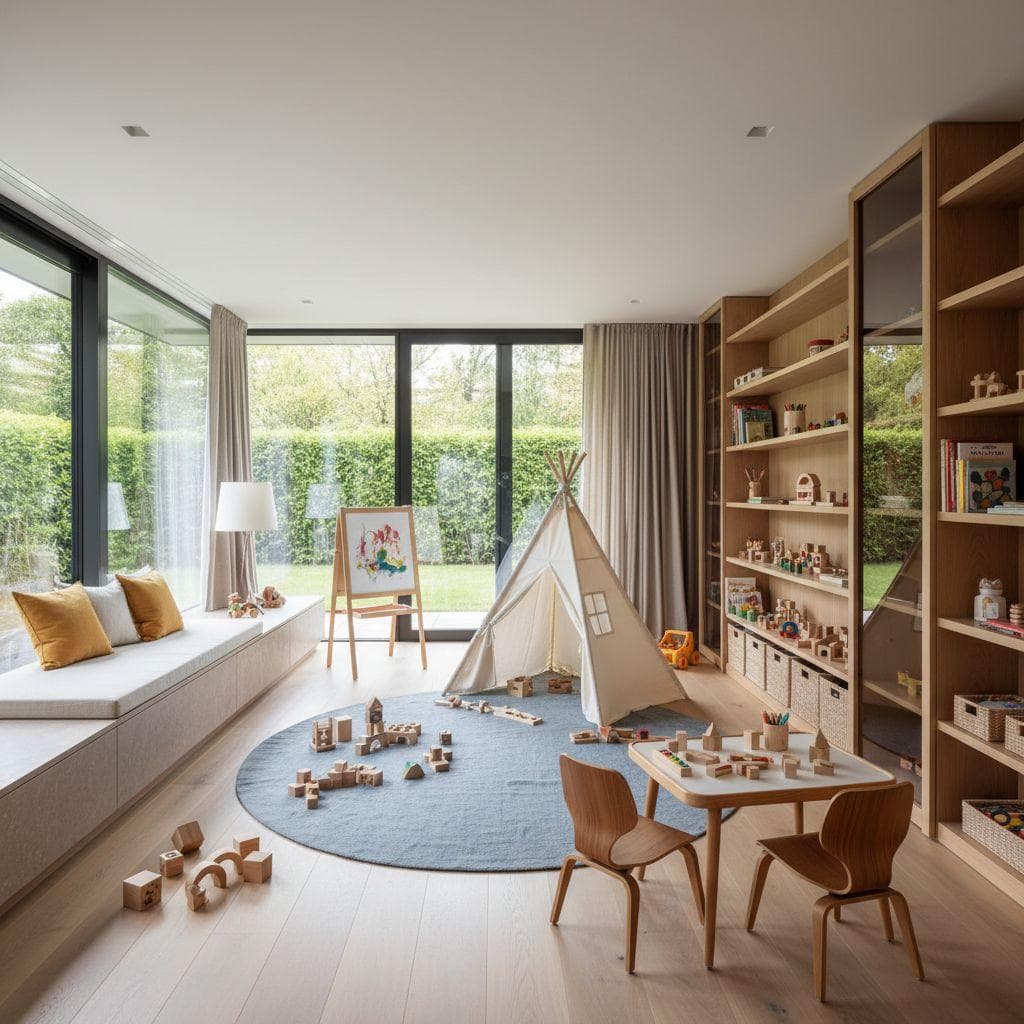
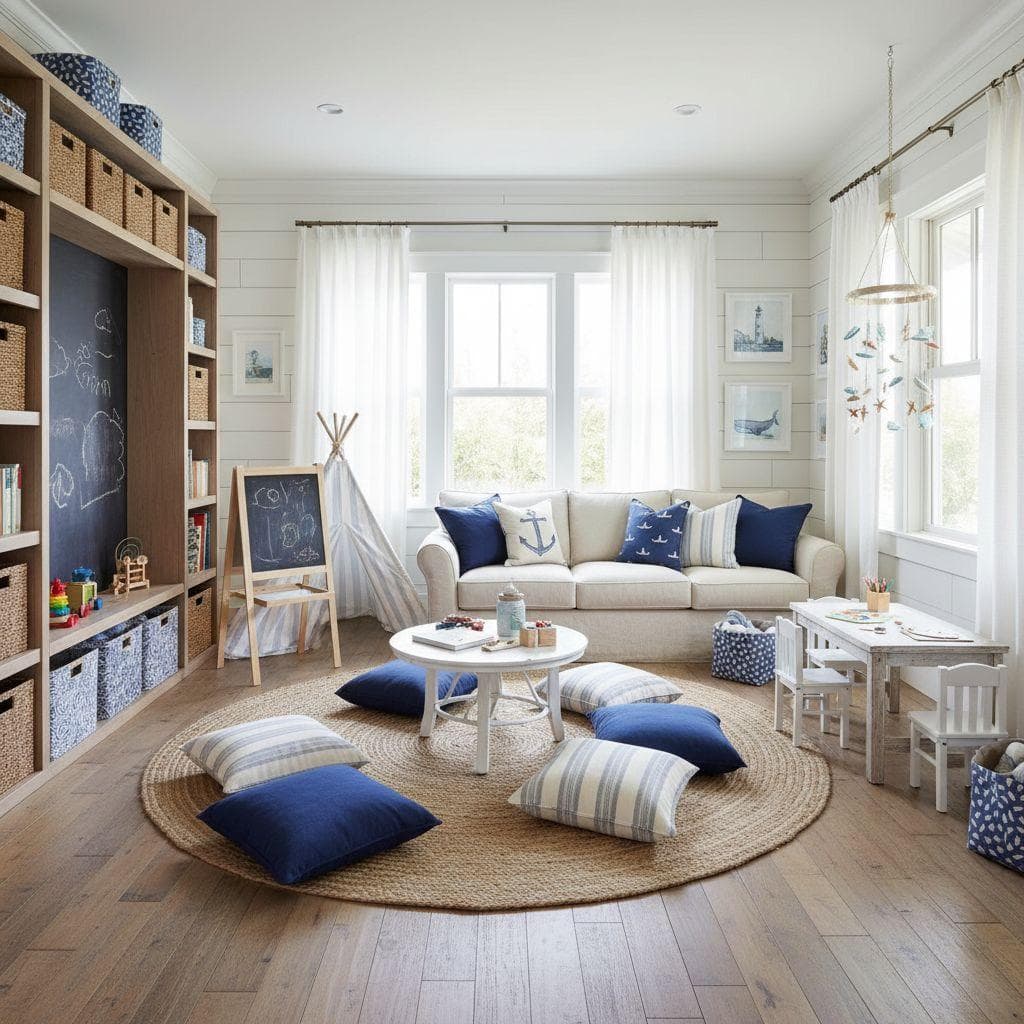
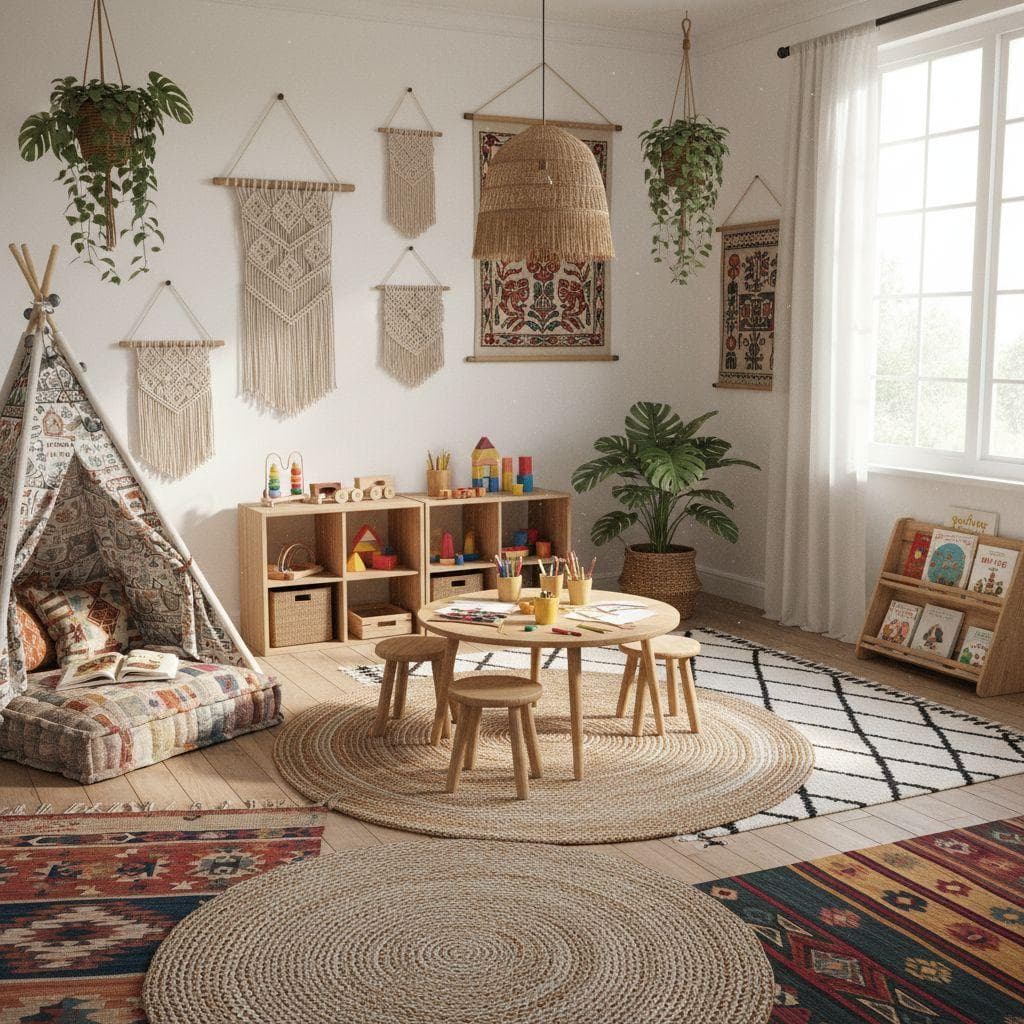
About Playroom Design
Playrooms provide dedicated space for children's play, creativity, and physical activity. They contain toy chaos, encourage imaginative play, and preserve the rest of the home from perpetual clutter.
Design Considerations
- Plan abundant, accessible storage
- Include clear floor space for play
- Choose durable, washable materials
- Create distinct activity zones
- Consider safety (secured furniture, soft flooring)
- Include both active and quiet play areas
- Make cleanup easy and kid-accessible
- Plan for growth and changing needs
Common Challenges
- Managing overwhelming toy accumulation
- Organization that kids can maintain
- Safety considerations
- Adapting to changing age needs
- Balancing stimulation with calm
- Adult aesthetics vs. kid-friendly function
- Easy cleanup systems
Layout Tips
- Keep floor center clear for active play
- Position storage around perimeter
- Create distinct zones (art, reading, active play)
- Ensure supervision sightlines
- Include cozy corner for quiet time
- Plan traffic flow for running and movement
Best Styles for Playroom
Explore design styles that work exceptionally well for playrooms.
Playroom Furniture Guide
Essential Furniture
- Storage systems (bins, shelves, cubbies)
- Child-sized table and chairs
- Soft seating (bean bags, floor cushions)
- Play mat or area rug
Optional Additions
- Play kitchen or workbench
- Reading nook or tent
- Art station
- Indoor climbing structure
- TV or screen for media
- Parent seating
Lighting Needs
- Bright ambient lighting for play
- Natural light when possible
- Task lighting for art areas
- Dimmer capability for quiet time
Storage Solutions
- Open bins for easy toy access
- Labeled containers for organization
- Book storage at kid height
- Art supply organization
- Closed storage for backup toys and mess
Size Considerations
Small Playroom
Small playrooms focus on multi-purpose elements: table that works for art and building, storage that acts as seating, and rotating toy selection. Vertical storage maximizes floor space.
Medium Playroom
Medium playrooms can include distinct activity areas: art station, reading nook, and general play floor. Room for play structures and imaginative play setups.
Large Playroom
Large playrooms can become full activity centers with multiple zones, indoor climbing, media area, and extensive storage. Great for multiple children or playdates.
Related Room Types
Explore other room types with similar design considerations.
Frequently Asked Questions
Design Your Playroom
Transform your playroom with AI-powered interior design.