Wabi-Sabi Interior Design
Finding beauty in imperfection, simplicity, and the passage of time
Wabi-sabi is the Japanese philosophy of finding beauty in imperfection, impermanence, and incompleteness. In interior design, this translates to spaces that celebrate natural materials, handmade objects, visible wear, and the patina of time. It's anti-perfectionist design that feels deeply human and profoundly peaceful.
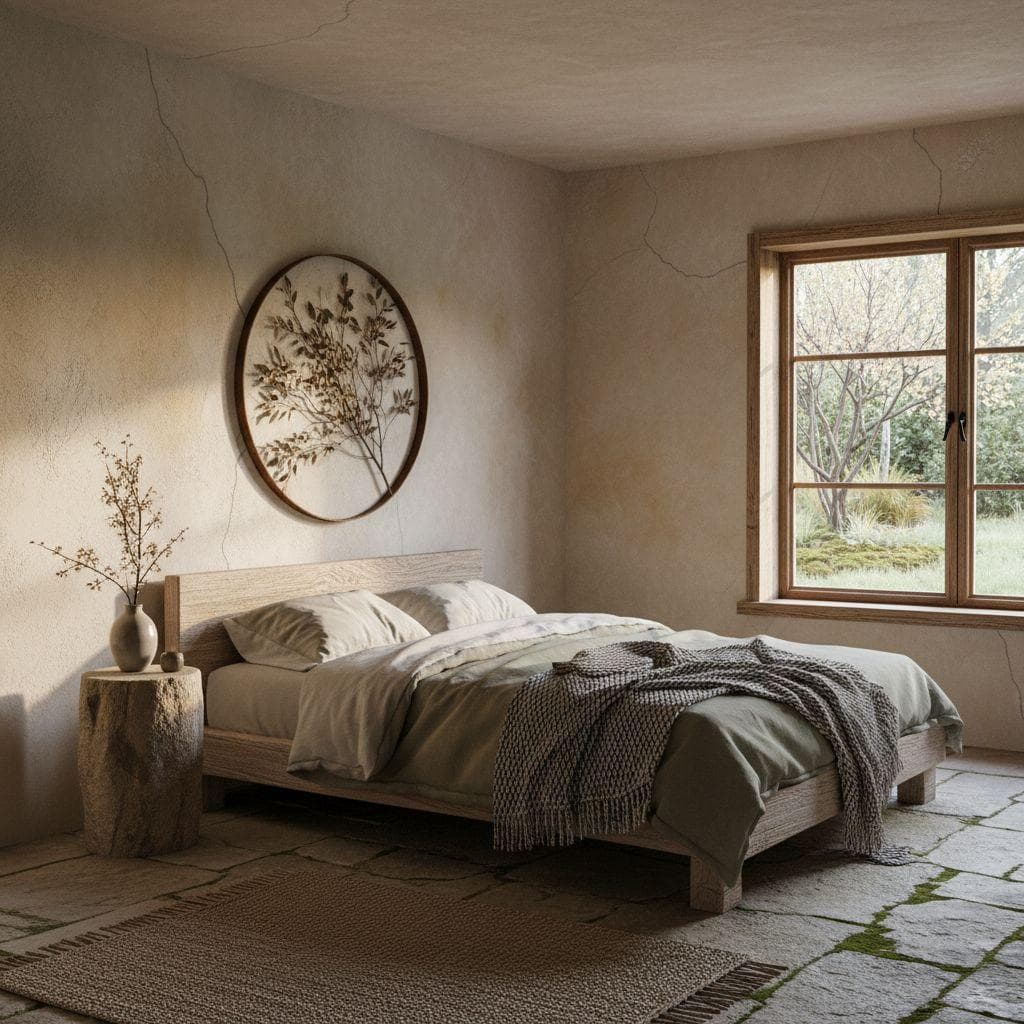
Key Characteristics
Rooted in 15th-century Japanese tea ceremony aesthetics, wabi-sabi developed as a reaction to elaborate Chinese imports. Tea masters like Sen no Rikyu championed humble, imperfect tea bowls over ornate ones. The philosophy evolved to embrace simplicity, naturalness, and acceptance of transience as paths to appreciation and peace.
- Celebration of natural imperfections
- Raw, unfinished surfaces
- Handmade over machine-made
- Muted, earthy color palette
- Asymmetry and irregularity
- Visible age and wear
- Natural materials showing their origin
- Empty space as meaningful
Color Palette
Accent Colors
Colors to Avoid
Materials & Textures
Key Materials
- Raw wood with visible grain
- Handmade clay and ceramics
- Stone with natural variations
- Wrought iron
- Rough linen and hemp
- Paper (washi)
- Weathered metals
Patterns
- Natural variations only
- Organic irregularities
- No deliberate patterns
Textures
- Rough and raw
- Cracked glazes
- Worn edges
- Natural grain
- Handmade marks
Furniture & Decor
Signature Furniture
- Reclaimed wood table
- Hand-carved wooden stools
- Simple low platform bed
- Worn leather chair
- Rough-hewn bench
- Open wood shelving
Decor Elements
- Handmade pottery with imperfect glazes
- Dried flowers or branches
- Found natural objects
- Single worn antique
- Stones or driftwood
- Frayed textiles
Lighting Style
Natural light, candlelight, simple paper lanterns, aged metal fixtures
Best Rooms for Wabi-Sabi Style
Explore how Wabi-Sabi style works in different rooms with tailored tips and AI prompts.
Space & Budget Guidance
Small Spaces
Wabi-sabi's restraint suits small spaces well. One beautiful imperfect piece per surface is plenty. Raw wood shelves save space while adding character. Embrace the smallness as cozy rather than cramped.
Large Spaces
Large wabi-sabi spaces can feel empty in a peaceful way. Use substantial raw wood furniture as anchors. Create intimate corners with worn chairs and simple lighting. Don't fill space just because it's there.
Budget-Friendly Tips
Wabi-sabi can be achieved cheaply—imperfection is free. Visit flea markets for worn items with character, use found natural objects, let existing furniture age gracefully, make your own pottery, embrace rather than replace worn textiles.
Luxury Approach
Collect Japanese antiques or artisan ceramics. Source museum-quality reclaimed wood furniture. Commission a master craftsman for specific pieces. Invest in original art with aged or natural elements.
Related Styles
If you like Wabi-Sabi, you might also enjoy these styles.
Frequently Asked Questions
Design Your Wabi-Sabi Space
Transform any room into Wabi-Sabi style in seconds with Decor8 AI.