Japandi Interior Design
Where Japanese wabi-sabi meets Scandinavian hygge
Japandi fuses the best of two design philosophies: Japanese wabi-sabi (finding beauty in imperfection) and Scandinavian hygge (cozy contentment). The result is a style that's both minimal and warm, celebrating craftsmanship, natural materials, and thoughtful restraint without feeling cold or austere.
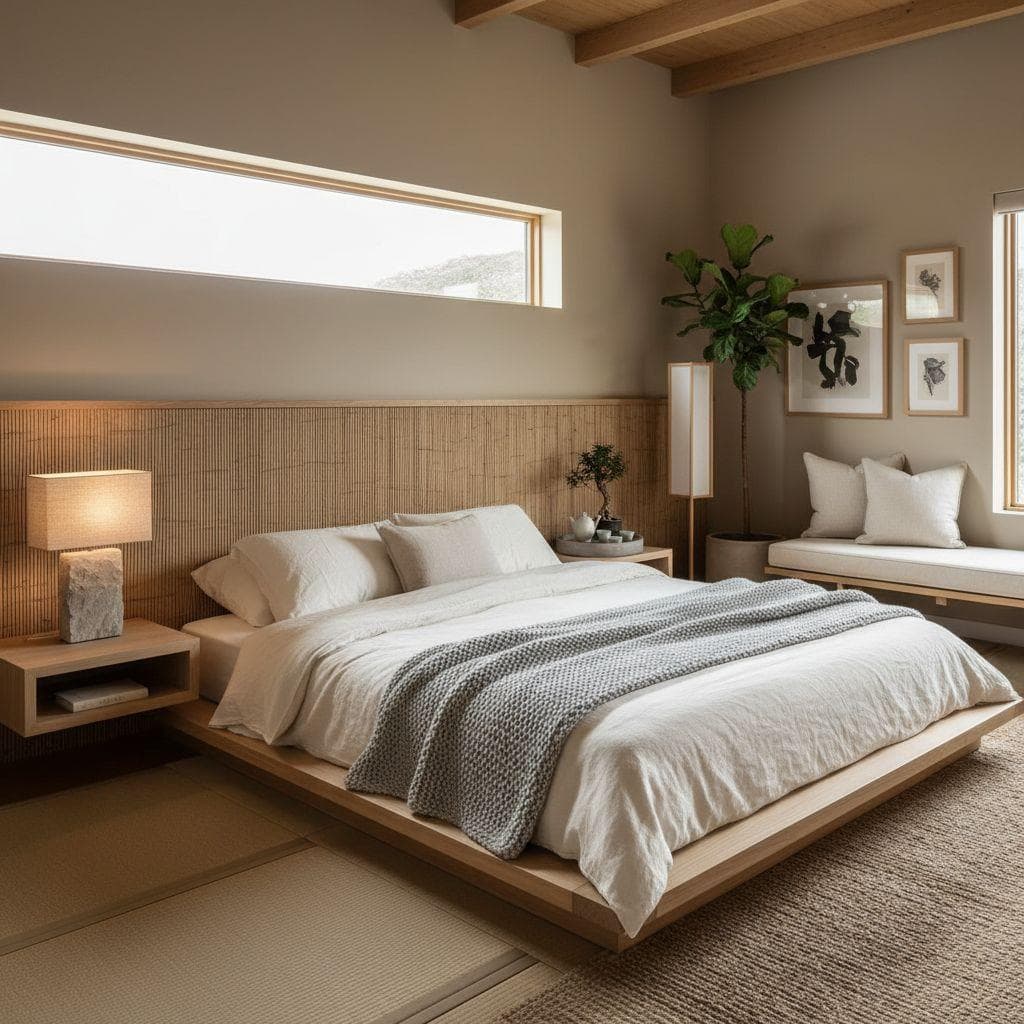
Key Characteristics
Japandi emerged in the 2010s as designers recognized the natural harmony between Japanese and Scandinavian aesthetics. Both cultures share deep appreciation for craftsmanship, natural materials, and functional beauty. The style gained momentum as minimalism seekers wanted warmth, and hygge lovers sought more intentionality.
- Blend of light and dark wood tones
- Handcrafted, artisanal elements
- Earthy, muted color palette
- Low furniture profiles
- Natural, raw materials
- Intentional negative space
- Subtle imperfections celebrated
- Indoor-outdoor connection
Color Palette
Accent Colors
Colors to Avoid
Materials & Textures
Key Materials
- Light oak and walnut wood
- Bamboo
- Natural linen and cotton
- Handmade ceramics
- Rattan and wicker
- Raw stone
- Paper (shoji screens)
Patterns
- Solid colors
- Subtle organic textures
- Occasional shibori or geometric
Textures
- Wood grain
- Woven fibers
- Handmade pottery
- Natural stone
- Soft linens
Furniture & Decor
Signature Furniture
- Low platform bed with wood frame
- Floor cushions (zabuton)
- Simple wood dining table
- Bench seating
- Low coffee table
- Open shelving
Decor Elements
- Handcrafted ceramic vessels
- Bonsai or simple branch arrangement
- Woven baskets
- Single statement artwork
- Linen curtains
- Paper lanterns
Lighting Style
Soft, diffused natural light, paper lanterns, simple pendants, warm ambient glow
Best Rooms for Japandi Style
Explore how Japandi style works in different rooms with tailored tips and AI prompts.
Space & Budget Guidance
Small Spaces
Low furniture makes ceilings feel taller. Use sliding screens or curtains instead of doors to save space. Multi-functional pieces and hidden storage maintain the minimal aesthetic while maximizing utility.
Large Spaces
Create intimate zones with area rugs and furniture groupings. Include a dedicated meditation or reading corner. Use screens to create visual interest without heavy walls. Embrace empty space as intentional.
Budget-Friendly Tips
Focus on decluttering first—it's the foundation of Japandi. Mix IKEA's Scandinavian pieces with affordable Asian-inspired decor. Add one handmade ceramic piece and simple plants. Thrift stores often have great bamboo and wicker items.
Luxury Approach
Commission custom wood furniture combining light and dark tones. Source Japanese antiques or artisan ceramics. Install high-quality wood flooring. Invest in silk or high-thread-count linen bedding.
Related Styles
If you like Japandi, you might also enjoy these styles.
Frequently Asked Questions
Design Your Japandi Space
Transform any room into Japandi style in seconds with Decor8 AI.