Asian Zen Interior Design
Serene harmony inspired by Japanese and Eastern aesthetics
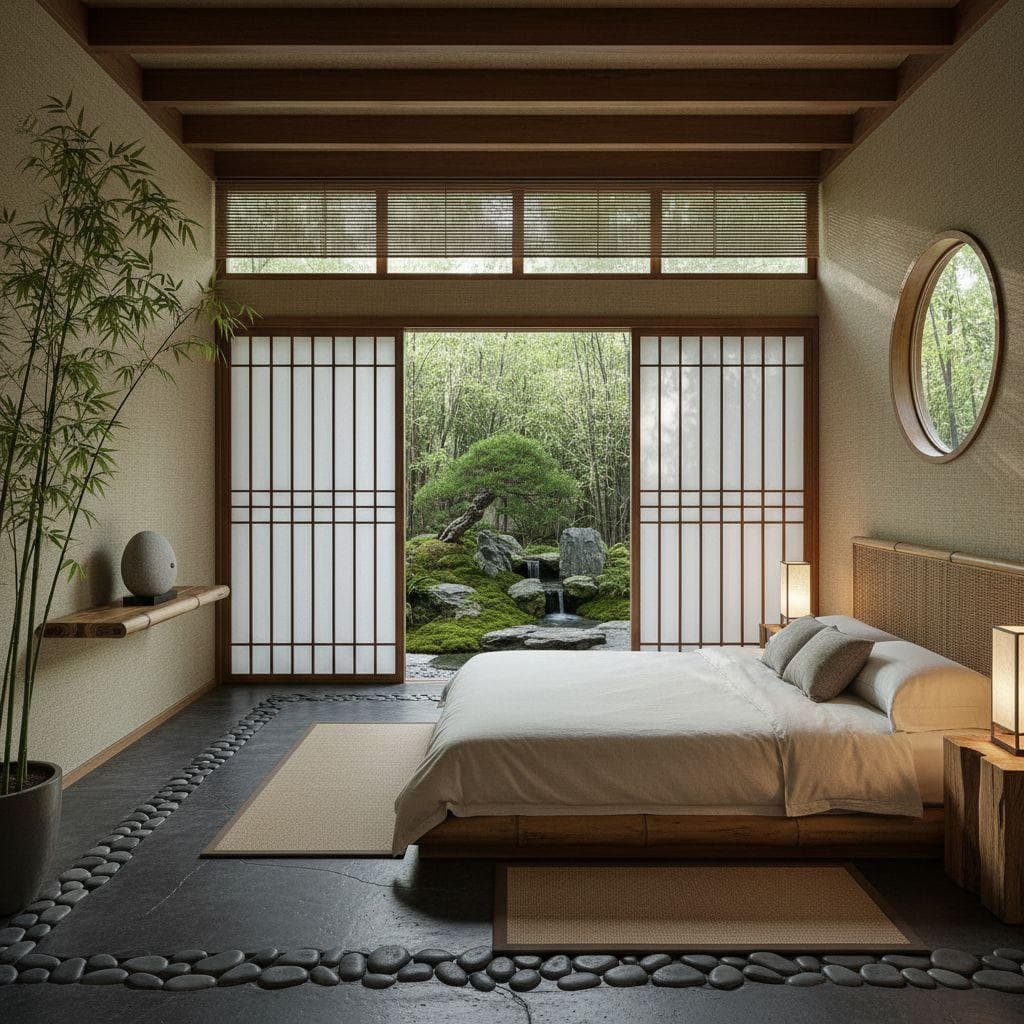
Asian Zen design draws from Japanese aesthetics and Buddhist philosophy to create spaces of profound tranquility and mindful simplicity. This style emphasizes natural materials, clean lines, and intentional emptiness that allows for mental clarity. Every element serves a purpose; nothing is extraneous. The result is interiors that function as peaceful sanctuaries from the chaos of modern life.
Key Characteristics
Asian Zen design evolved from traditional Japanese architecture and the spiritual principles of Zen Buddhism. Concepts like wabi-sabi (beauty in imperfection), ma (negative space), and kanso (simplicity) guide the aesthetic. The influence spread West through 20th-century modernist architects who admired Japanese design, and today Asian Zen appeals to those seeking meaningful minimalism with spiritual depth.
- Clean, uncluttered spaces
- Natural materials (wood, stone, bamboo)
- Connection to nature
- Intentional negative space
- Low furniture and floor-level living
- Neutral, nature-inspired palette
- Soft, diffused natural light
- Emphasis on texture over decoration
Color Palette
Accent Colors
Colors to Avoid
Materials & Textures
Key Materials
- Natural wood (light-toned)
- Bamboo
- Paper (shoji screens)
- Stone
- Natural fiber textiles
- Tatami mats
- Linen and cotton
- Rattan
Patterns
- Minimal or absent
- Subtle natural textures
- Simple geometric forms
- Wave and water motifs (subtle)
- Bamboo and grass prints (sparingly)
Textures
- Smooth wood grain
- Rough stone
- Woven tatami
- Soft linen
- Natural bamboo
Furniture & Decor
Signature Furniture
- Platform beds (low)
- Floor cushions (zabuton)
- Low coffee tables
- Shoji screens
- Simple wooden benches
- Tansu chests
- Meditation chairs
Decor Elements
- Bonsai or single plant specimen
- Stone arrangements
- Simple ceramic vessels
- Bamboo accents
- Rice paper lanterns
- Ikebana flower arrangements
- Zen gardens (indoor)
- Calligraphy art (minimal)
Lighting Style
Soft, diffused natural light is paramount. Filter with shoji screens or linen curtains. Add rice paper lanterns, simple pendant lights, and hidden indirect lighting. Candles for evening ambiance. Avoid harsh overhead lighting; the goal is gentle, peaceful illumination.
Best Rooms for Asian Zen Style
Explore how Asian Zen style works in different rooms with tailored tips and AI prompts.
Space & Budget Guidance
Small Spaces
Asian Zen is actually ideal for small spaces because it eliminates the visual clutter that makes rooms feel cramped. Every item must earn its place. Use shoji-style sliding doors to save space. The emphasis on negative space actually makes small rooms feel larger and more peaceful.
Large Spaces
Resist the urge to fill large spaces. Let emptiness be a design element. Use low furniture to emphasize horizontal planes. Create distinct zones for different activities: meditation, relaxation, contemplation. A single dramatic element—a beautiful tree, a water feature, a stone arrangement—can anchor a large space.
Budget-Friendly Tips
Zen style can actually save money—you're buying less, focusing on essential pieces. Invest in simple, quality basics rather than decorative items. DIY natural elements: river stones, bamboo from the garden center, simple linen. IKEA offers clean-lined pieces that work well. The biggest "cost" is decluttering.
Luxury Approach
Source antique tansu chests and Japanese furniture from specialty dealers. Commission custom shoji screens. Invest in museum-quality ceramics or ikebana vessels. Consider architectural elements: tatami floors, authentic sliding doors. Work with designers who specialize in Japanese aesthetics.
Related Styles
If you like Asian Zen, you might also enjoy these styles.
Frequently Asked Questions
Design Your Asian Zen Space
Transform any room into Asian Zen style in seconds with Decor8 AI.