Study Room Design Ideas
A study room is a dedicated space for focused learning, homework, and academic pursuits. Unlike a general home office, study rooms prioritize quiet concentration, book storage, and the specific needs of students—from elementary schoolers to lifelong learners. The best study rooms minimize distraction and create environments conducive to deep focus and retention.
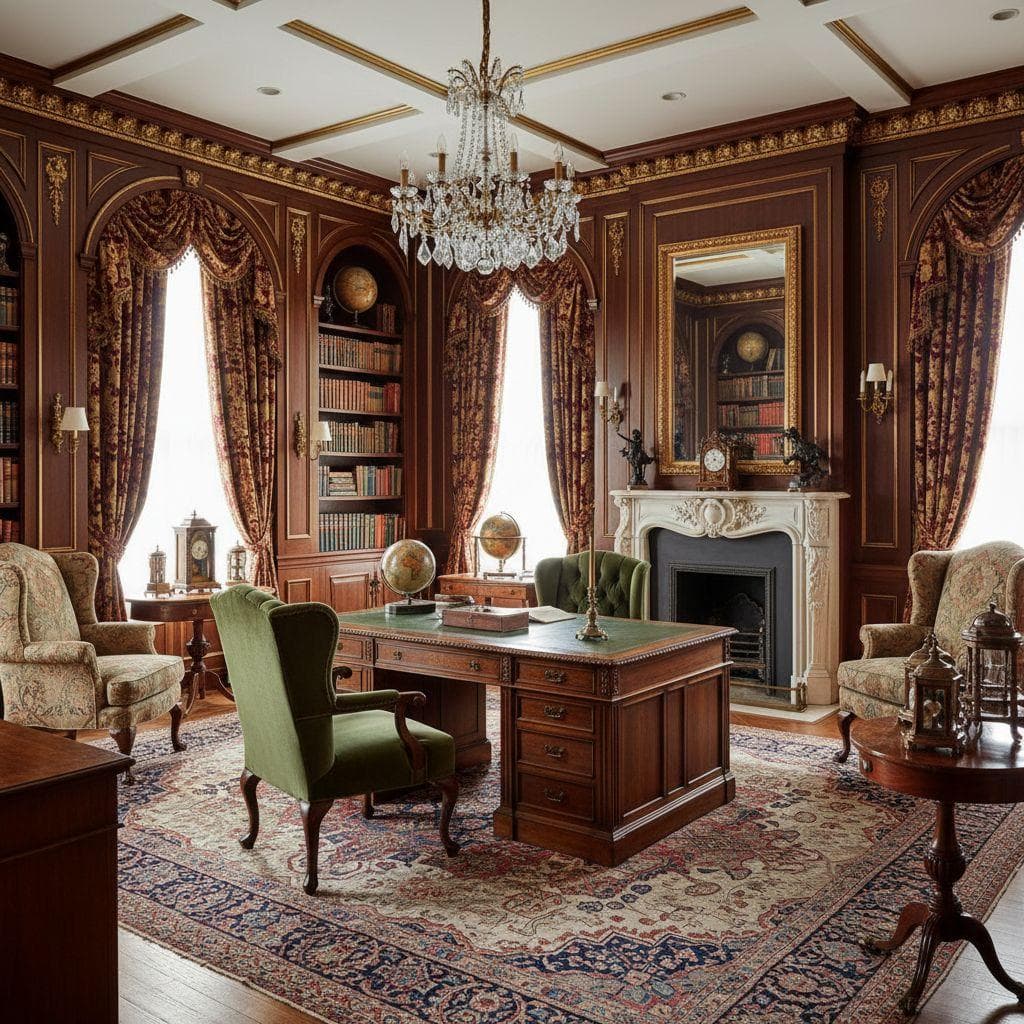
Study Room in Different Styles
See how your study room can look in various design styles
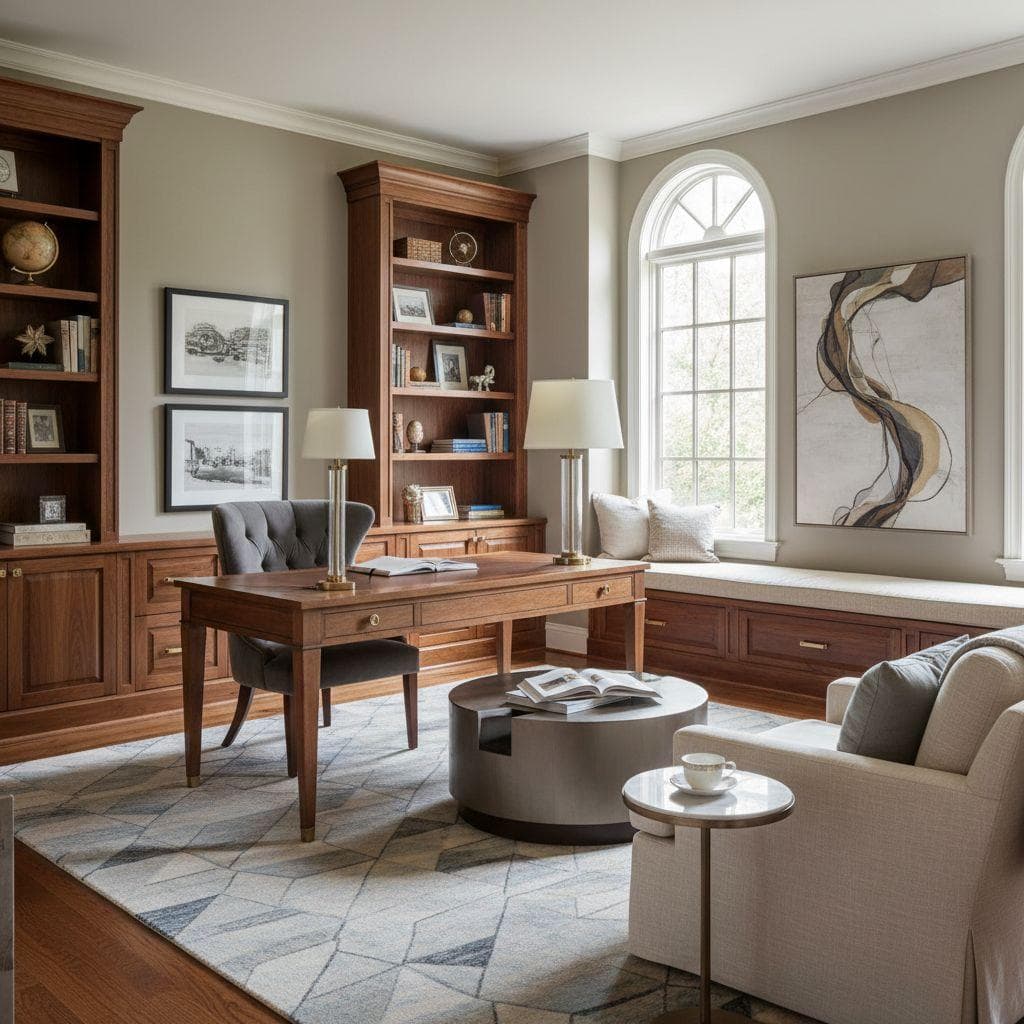
Transitional
Transitional Study Room combines signature style elements with functional design.
View ideas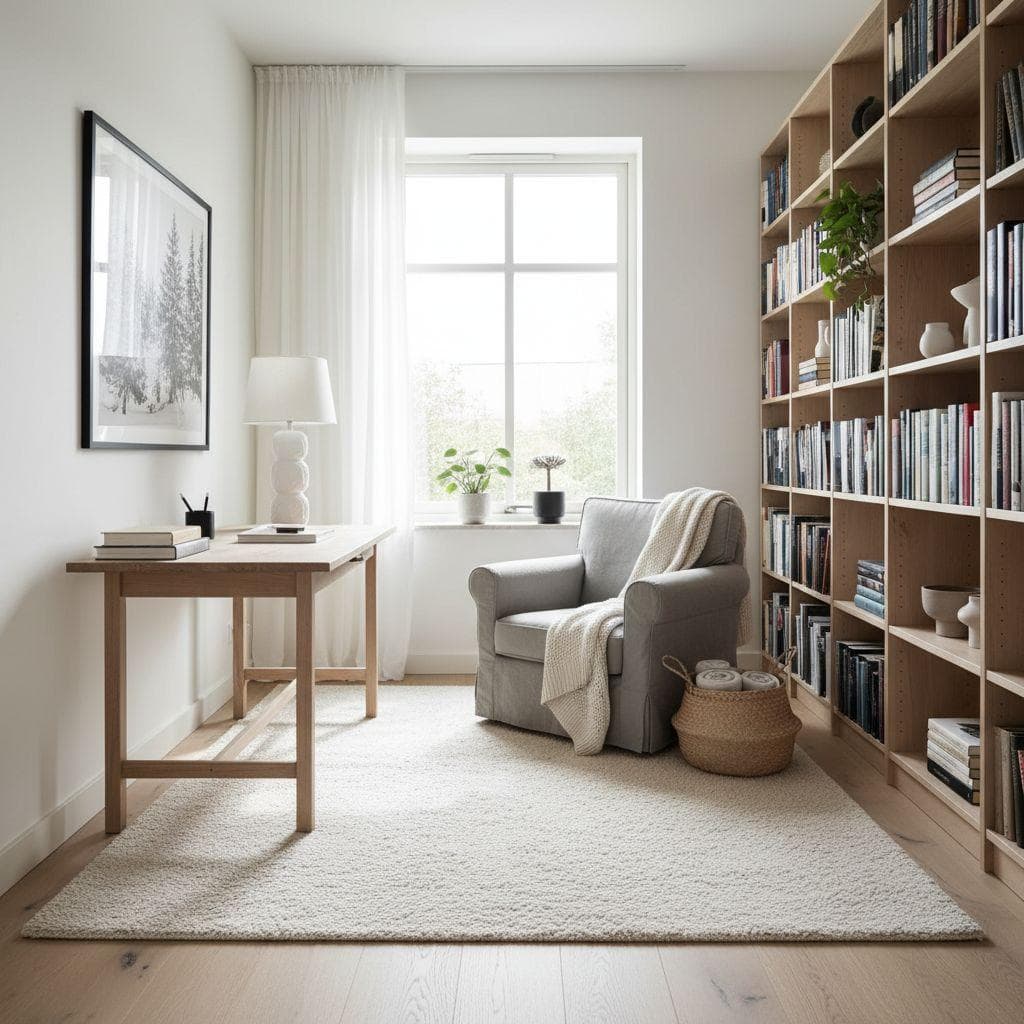
Scandinavian
Scandinavian Study Room combines signature style elements with functional design.
View ideas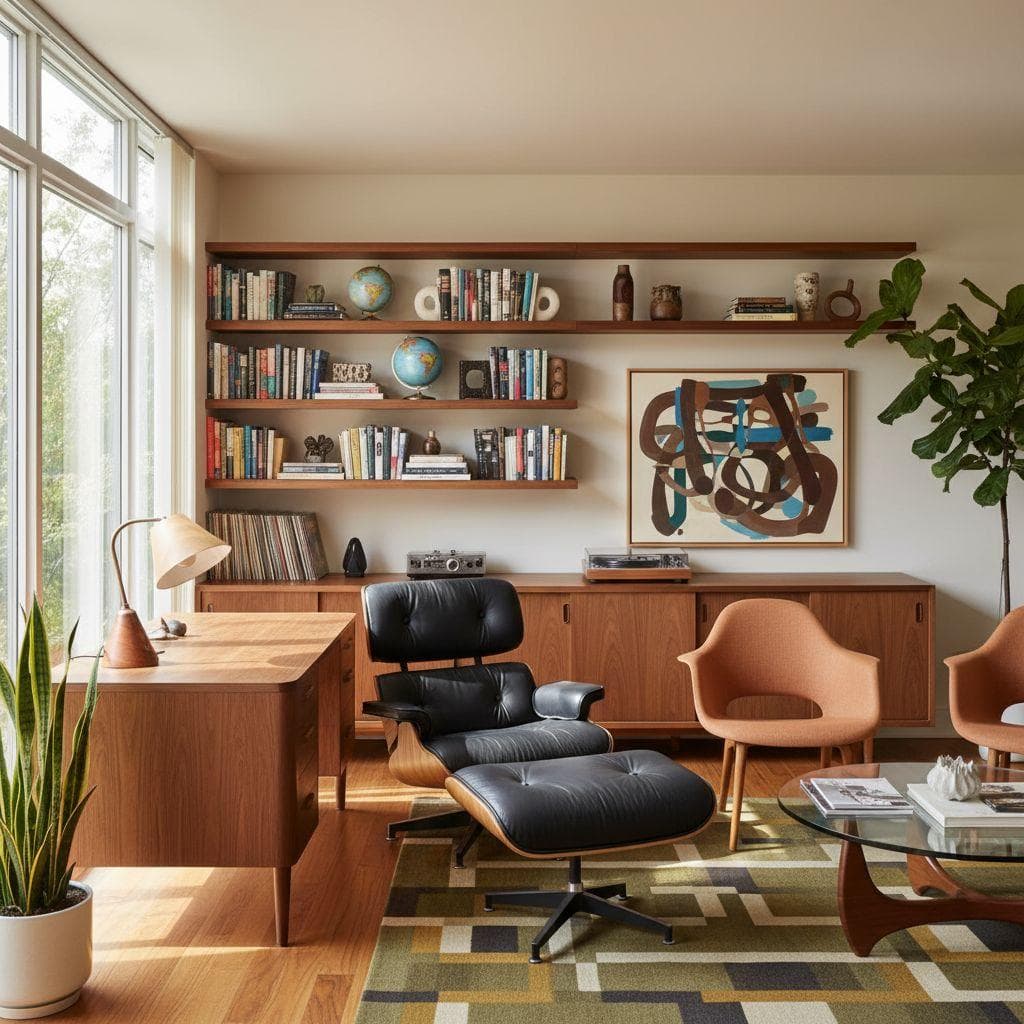
Mid-Century Modern
Mid-Century Modern Study Room combines signature style elements with functional design.
View ideasAbout Study Room Design
Study rooms support focused learning, homework completion, test preparation, and academic work. They provide quiet, organized environments that promote concentration and retention.
Design Considerations
- Prioritize good task lighting
- Minimize visual and audio distractions
- Include ample book and material storage
- Choose comfortable but upright seating
- Plan for various study methods (reading, writing, computer)
- Consider whiteboard or bulletin board
- Include space for reference materials
Common Challenges
- Minimizing distractions
- Adequate lighting for reading
- Organizing books and materials
- Accommodating different study activities
- Supporting various ages and needs
- Technology balance (helpful vs. distracting)
- Creating comfortable but alert seating
Layout Tips
- Face desk toward room or window (not distracting view)
- Position bookshelves within easy reach
- Create distinct zones for different activities
- Ensure lighting is positioned to avoid shadows
- Keep frequently needed items accessible
Best Styles for Study Room
Explore design styles that work exceptionally well for study rooms.
Study Room Furniture Guide
Essential Furniture
- Desk or study table
- Comfortable study chair
- Task lighting
- Bookshelves
- Storage for supplies
Optional Additions
- Reading chair with good light
- Additional table for spreading materials
- Whiteboard or corkboard
- Filing system
- Comfortable seating for reading
Lighting Needs
- Strong task lighting for reading and writing
- Ambient lighting for overall illumination
- Natural light (managed to avoid glare)
- Adjustable lighting for different times of day
Storage Solutions
- Textbooks and reference books
- Notebooks and papers
- Writing supplies
- Computer and electronics
- Completed work archives
Size Considerations
Small Study Room
Small study areas focus on essentials: a desk, good chair, and efficient storage. Wall-mounted shelves maximize floor space. A reading nook can supplement desk work.
Medium Study Room
Medium study rooms accommodate full desk, extensive bookshelves, and possibly a reading corner. Comfortable for extended study sessions.
Large Study Room
Large study rooms can include multiple desks (for siblings or tutoring), extensive library, reading areas, and specialized zones for different subjects or activities.
Related Room Types
Explore other room types with similar design considerations.
Frequently Asked Questions
Design Your Study Room
Transform your study room with AI-powered interior design.